作者: greatzhou888

  • Distribution Transformer Area Flexible Interconnection: No Additional Transformers, No Energy Storage Required — Unlocking the Hidden Capacity of Existing Distribution Assets

    Distribution Transformer Area Flexible Interconnection: No Additional Transformers, No Energy Storage Required — Unlocking the Hidden Capacity of Existing Distribution Assets

    After years of working deeply in the low-voltage distribution network field, one thing has become increasingly clear:

    Many distribution transformer area problems are not caused by insufficient power supply capacity, but by inefficient power allocation.

    Across countless project sites, we have encountered similar operational challenges:

    The overall power supply capacity of an area is sufficient, yet some distribution transformer areas suffer from continuous overloads and frequent trips, while others remain lightly loaded for most of the time with significant unused capacity.

    This is a common limitation of traditional distribution networks:

    Each transformer operates as an independent “energy island”, working separately without coordination or power sharing.


    During summer seasons and evening peak demand periods, residential communities often experience sharp increases in electricity consumption.

    Air conditioners, household appliances, and EV charging loads operate simultaneously, causing transformer loads to surge rapidly.

    Transformers operate under high temperatures, terminal voltage drops, and overload protection trips become frequent occurrences.

    Operation and maintenance teams have to repeatedly perform temperature monitoring, inspections, and temporary voltage adjustments. Overnight emergency repairs become routine.

    However, these measures only address symptoms rather than the root cause, and customer complaints regarding power quality and reliability remain high.


    What is even more challenging is that commercial areas and office buildings located only a few hundred meters away often have very low loads after business hours.

    Their transformers remain lightly loaded throughout the night, leaving large amounts of available capacity unused.

    One area is overloaded and operating under stress, while another wastes valuable capacity.

    Despite their close physical distance, they cannot support each other.


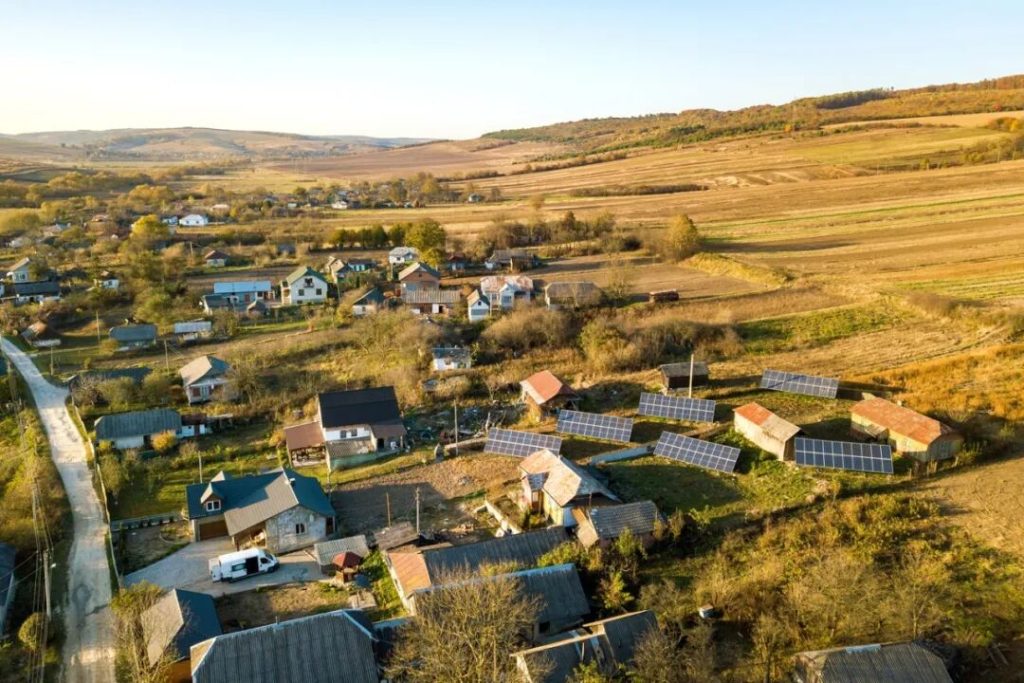
    With the rapid growth of rooftop photovoltaic installations in rural areas and residential communities, this imbalance has become even more pronounced.

    During the daytime, when residents are away, rooftop PV generates large amounts of electricity. However, local consumption is insufficient, resulting in PV curtailment and generation limitations.

    At night, when residents return home and electricity demand rises sharply, the same distribution transformer areas face overload pressure again.

    This creates a cycle of:

    “Energy wasted during the day, insufficient capacity at night.”

    Previously, the solution was straightforward but costly:

    Wherever overload occurred, additional transformers and upgraded power lines were installed.

    However, many existing residential areas have limited available space, and urban village redevelopment is complex.

    New equipment installation requires:

    • High investment costs
    • Long construction periods
    • Increased basic capacity charges
    • Higher long-term operation and maintenance expenses

    The overall economic efficiency is often poor.


    In reality, most existing distribution transformer areas do not lack capacity — they lack intelligent coordination and mutual support.

    To break this bottleneck, large-scale reconstruction is unnecessary.

    The key solution is to break the isolation between distribution transformer areas and enable bidirectional power sharing between heavily loaded and lightly loaded areas.

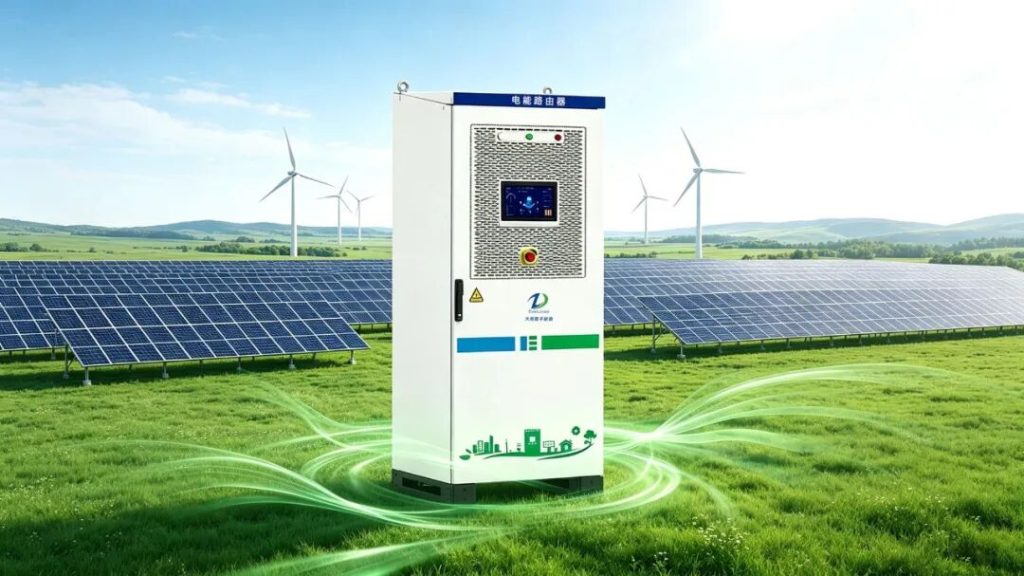
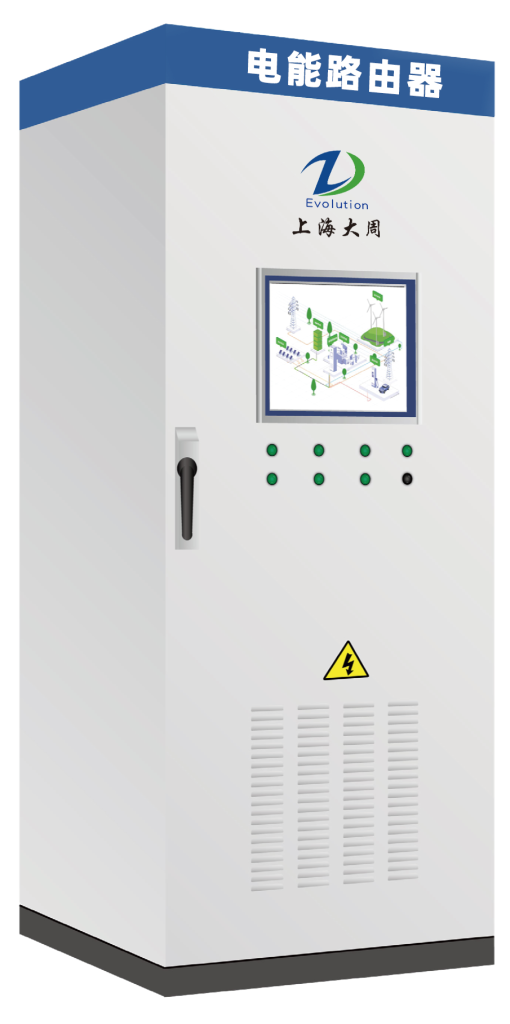
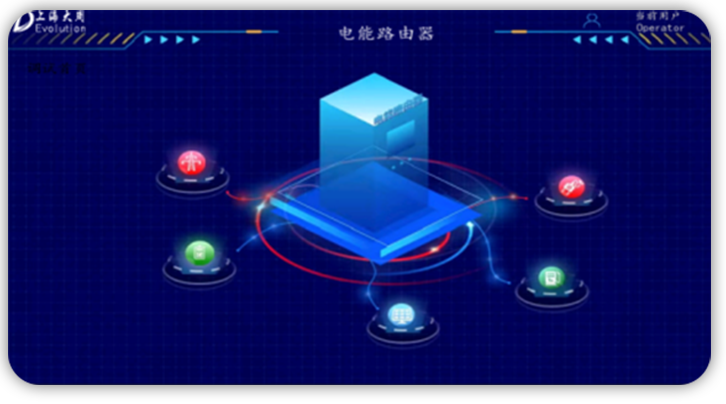
    The core equipment enabling this solution is the Power Router.
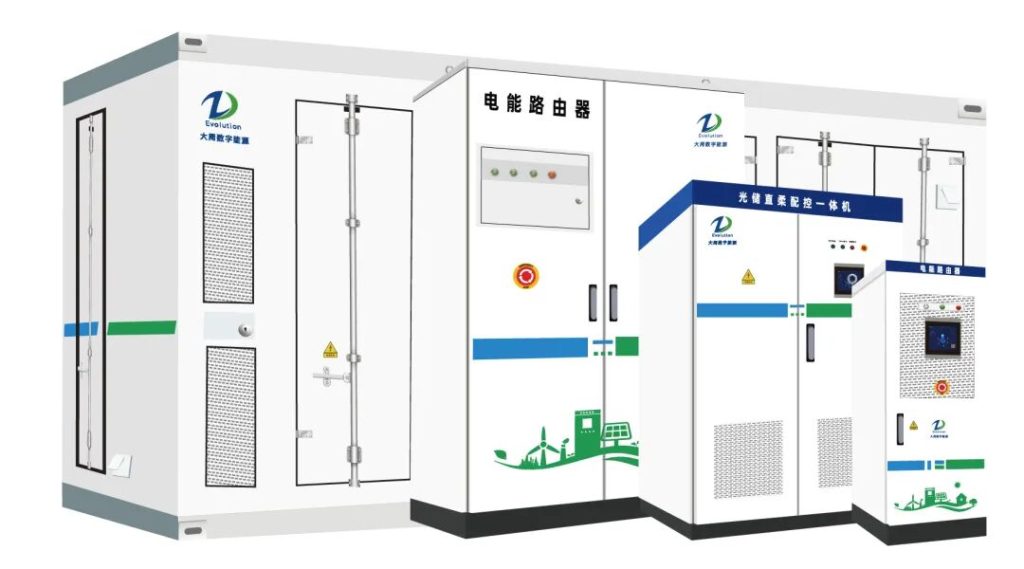

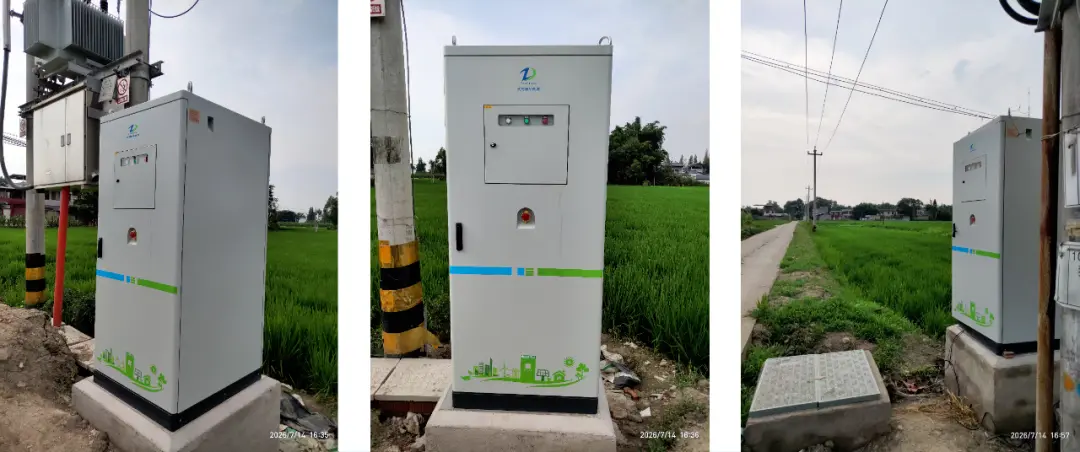
    Unlike traditional AC interconnection methods, which may suffer from circulating currents, transient current impacts, and difficulties in continuous operation, GCEVO Energy Power Router adopts a proven 750Vdc DC bus coupling architecture.

    This approach fundamentally avoids grid safety risks and enables millisecond-level precise power regulation, allowing distribution transformer areas to achieve:

    • Safe interconnection
    • Controllable power exchange
    • Long-term stable operation

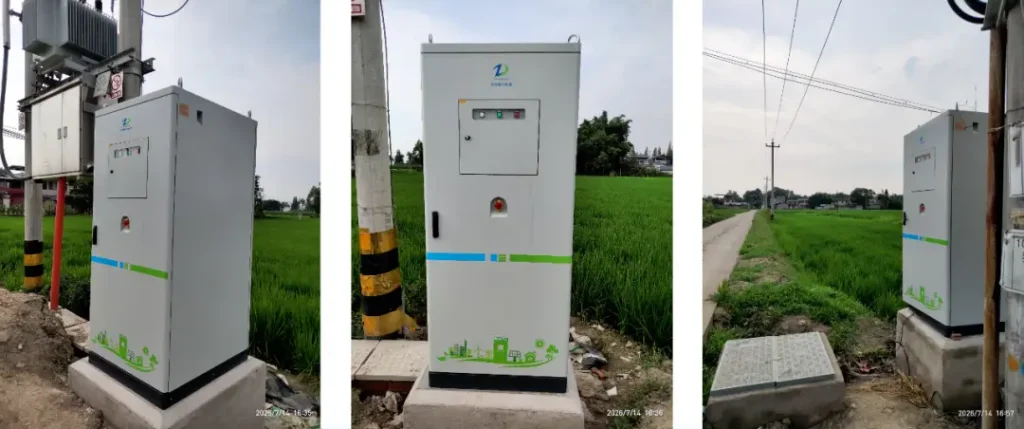
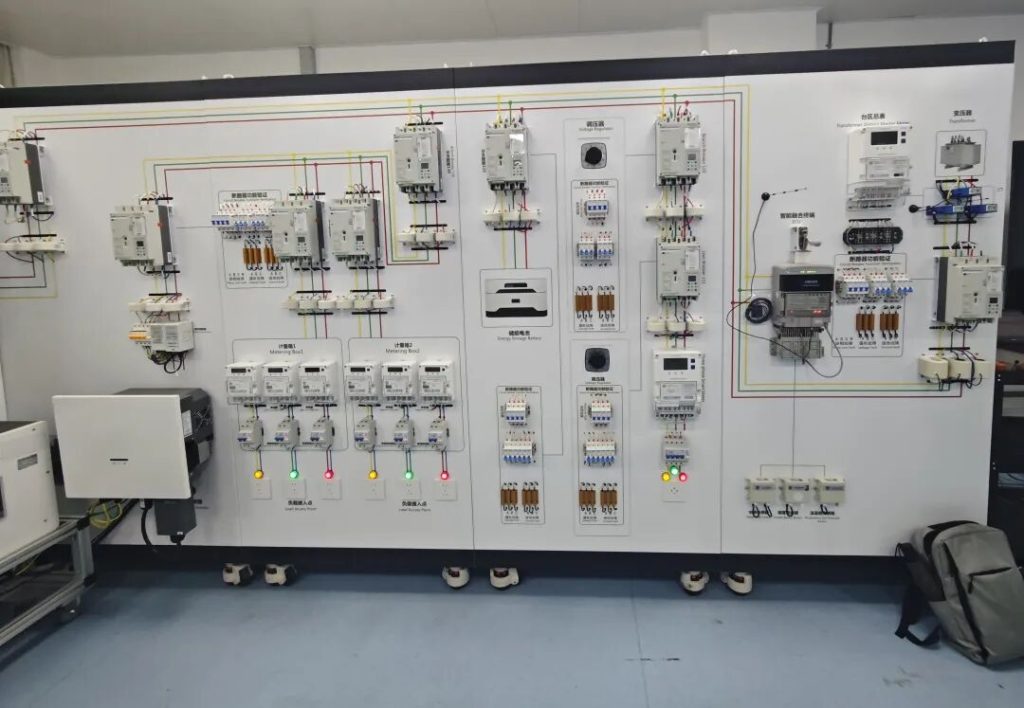
    This project adopts two standardized Power Router units with identical hardware configurations.

    The standardized design provides:

    • High equipment compatibility
    • Strong operational stability
    • Simplified maintenance and service

    The hardware platform is universally adapted to dual-grid operating conditions, while customized software algorithms are deployed according to the load characteristics of different distribution transformer areas.

    This achieves:

    “Standardized hardware + customized intelligent dispatching”

    to precisely match different application scenarios.


    The system supports bidirectional power exchange with:

    • Grid voltage: 380Vac ±10%
    • Frequency: 50Hz
    • Rated single-port capacity: 125kVA

    The project adopts differentiated port configurations:

    • One side is equipped with a 130kW isolation transformer to adapt to complex insulation conditions in aging distribution areas.
    • The other side adopts a non-isolated configuration to reduce equipment costs while balancing safety and economic efficiency.
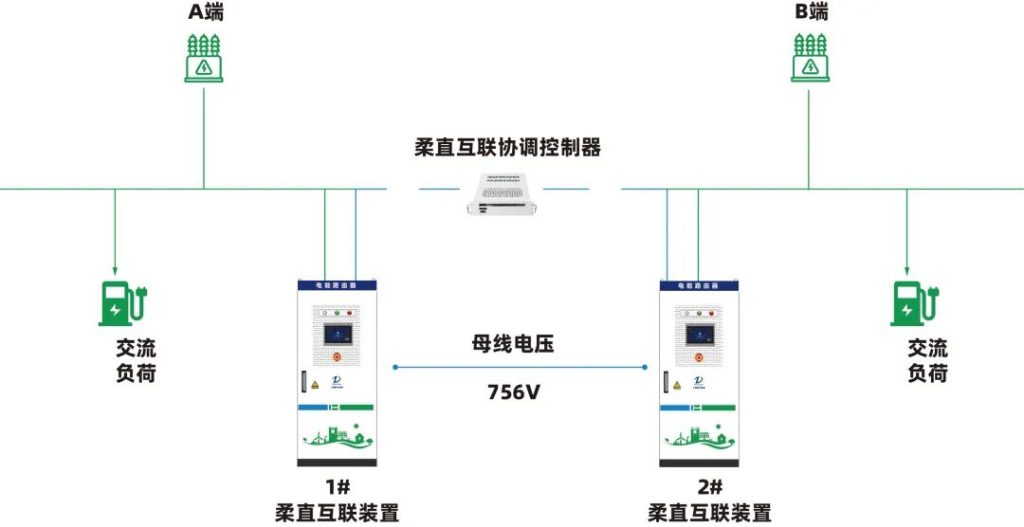
    This lightweight grid-only interconnection solution requires no additional PV or energy storage systems.

    It directly targets the core challenge of traditional distribution transformer areas:

    load imbalance.

    With low deployment requirements and rapid improvement after installation, it provides an efficient upgrade path for existing distribution networks.


    Supported by dedicated distribution transformer area load-balancing algorithms, the system operates intelligently 24/7:

    • During peak demand periods, it dynamically transfers power to increase available capacity.
    • During low-demand periods, it absorbs excess power capacity.
    • It simultaneously improves power quality by addressing:
    • Three-phase imbalance
    • Voltage drops
    • Other low-voltage network issues

    In the event of line faults, the system can complete fault isolation and self-healing within milliseconds, significantly reducing outage duration and achieving multi-functional operation through a single device.
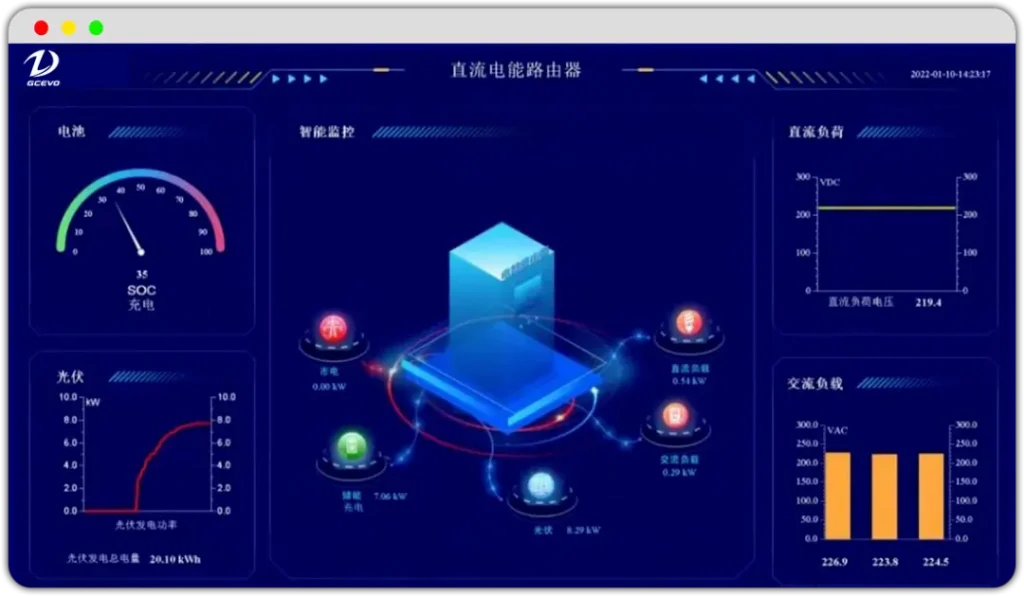

    The improvements after deployment are highly visible:

    Without adding new transformers, the system achieves dynamic virtual capacity expansion, reducing excessive transformer loading back to safe operating levels.

    Benefits include:

    • Reduced equipment investment
    • Lower basic electricity capacity charges
    • Better utilization of existing transformer capacity
    • Elimination of wasted grid resources
    • Reduced transformer trips and outage frequency
    • Improved user electricity experience

    Meanwhile, the system reserves expansion interfaces for future upgrades.

    It can seamlessly integrate:

    • Photovoltaic systems
    • Energy storage systems
    • DC charging stations

    supporting future upgrades toward:

    • PV-storage-DC-flexible energy systems
    • Zero-carbon distribution transformer areas

    One investment enables continuous future expansion.


    The era of traditional distribution network upgrades based solely on capacity expansion is coming to an end.

    The future direction is:

    Unlocking existing assets, intelligent energy dispatching, cost reduction, and efficiency improvement.

    Distribution transformer area flexible interconnection provides an optimal pathway for solving uneven load distribution in low-voltage networks.

    With its independently developed Power Router technology, GCEVO Energy provides a powerful foundation for low-cost upgrades and large-scale deployment of existing distribution transformer areas.
  • Recognized as a “Specialized, Sophisticated, Distinctive, and Innovative” Enterprise | GCEVO Energy Strengthens Core Competitiveness in Power Routers and DC Microgrids

    Recognized as a “Specialized, Sophisticated, Distinctive, and Innovative” Enterprise | GCEVO Energy Strengthens Core Competitiveness in Power Routers and DC Microgrids

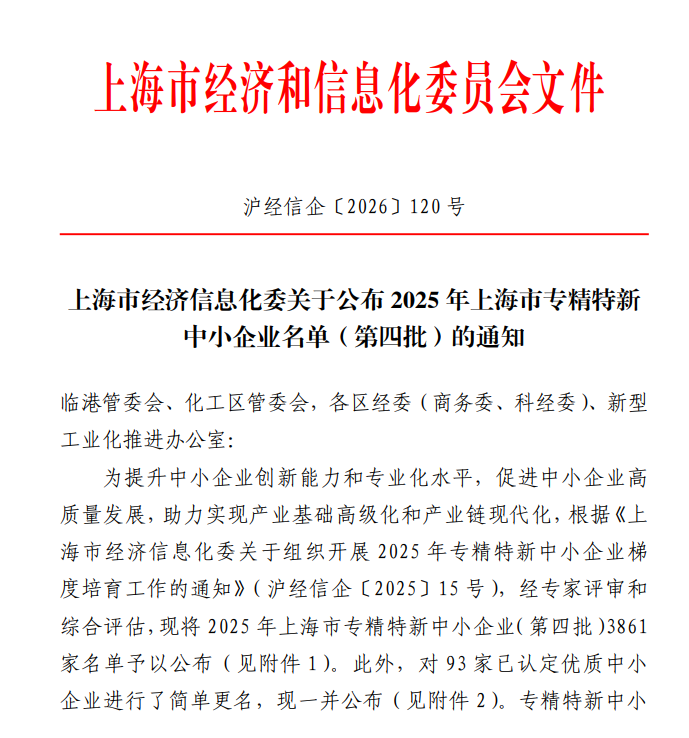
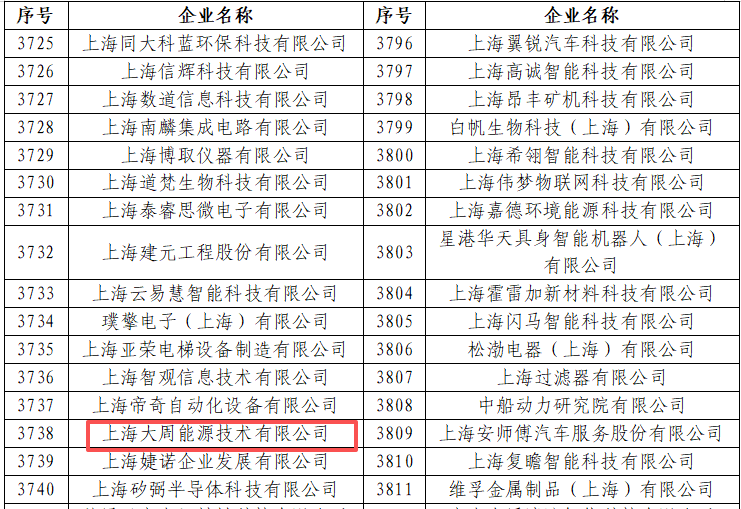
    Recently, the Shanghai Municipal Commission of Economy and Informatization announced the list of 2025 Shanghai Specialized, Sophisticated, Distinctive, and Innovative (“SSDI”) SMEs (Fourth Batch). Shanghai GCEVO Energy Technology Co., Ltd. (hereinafter referred to as “GCEVO Energy”) was successfully selected, demonstrating continued recognition of the company’s capabilities in professional development, technological innovation, and comprehensive service excellence.

    “Specialized, Sophisticated, Distinctive, and Innovative” SMEs represent a group of high-quality small and medium-sized enterprises prioritized for cultivation by national and local governments. These enterprises are encouraged to continuously enhance their capabilities in specialization, refinement, uniqueness, and innovation.

    Through rigorous evaluation and comprehensive assessment, selected enterprises typically demonstrate strong advantages in areas including technological capabilities, innovation performance, operational management, and industry influence.


    In recent years, GCEVO Energy has continuously strengthened its professional capabilities and upgraded its business system.

    The company focuses on the research, development, and commercialization of core products including 2kW–6MW multi-port Power Routers and DC microgrid systems.

    By continuously improving core product performance, optimizing cost management, and leveraging years of technical expertise and integrated industry resources, GCEVO Energy provides customers with scalable, efficient, and flexible Source-Grid-Load-Storage integrated energy solutions.


    Since its establishment, GCEVO Energy has remained committed to providing comprehensive Power Router and DC microgrid solutions driven by professional expertise, technological innovation, and continuous improvement.

    The company’s solutions cover multiple application fields, including:

    • Renewable energy generation
    • Energy storage systems
    • DC microgrids
    • Industrial energy efficiency improvement
    • Electric transportation
    • Scientific research and testing platforms

    Its customers include:

    • Power grid companies
    • Power generation groups
    • Electrical equipment manufacturers
    • Industrial and mining enterprises
    • Electricity retailers
    • Research institutions and universities in related fields

    Being recognized as a “Specialized, Sophisticated, Distinctive, and Innovative” SME represents both recognition and responsibility for GCEVO Energy.

    Looking ahead, the company will continue focusing on its core business areas, strengthening professional capabilities, deepening innovation practices, and continuously improving the systematic and refined quality of its services.

    While pursuing high-quality growth, GCEVO Energy will continue contributing to technological advancement, industry development, and the construction of a sustainable energy ecosystem.

  • Microgrid Revenue Models

    Microgrid Revenue Models

    The revenue model of microgrids has evolved from the traditional “single electricity generation income” model into a diversified and integrated model combining:

    • Basic cost reduction
    • Energy market participation
    • Value-added energy services

    Depending on the microgrid connection type (On-grid or Off-grid) and operating entity, the core revenue models can be summarized into the following categories:


    1. Self-Generation and Self-Consumption: Electricity Cost Savings

    By prioritizing locally generated renewable energy such as photovoltaic (PV) and wind power to meet internal load demand, microgrids can replace high-cost grid electricity and directly reduce energy expenses.

    This model is particularly suitable for commercial and industrial users with high electricity prices and large power consumption.


    2. Revenue from Excess Electricity Export

    Surplus renewable electricity generated within the microgrid can be exported back to the main grid through:

    • Local feed-in tariffs
    • Market-based electricity trading mechanisms

    This generates additional electricity sales revenue and may also qualify for renewable energy incentives or subsidies depending on regional policies.


    3. Peak-Valley Arbitrage

    Enabled by the Power Router’s precise energy management and storage scheduling capabilities, microgrids can optimize battery charging and discharging strategies.

    The system charges energy storage during:

    • Low-demand periods with lower electricity prices

    and discharges during:

    • Peak-demand periods with higher electricity prices

    The price difference between peak and valley periods creates economic benefits.

    This model depends heavily on:

    • Local peak-valley electricity price differences
    • Energy storage system efficiency
    • Battery lifecycle economics

    4. Demand Response Revenue

    Microgrids can participate in demand response programs by responding to signals from the grid or electricity market, such as:

    • Peak load reduction
    • Load shifting
    • Flexible consumption adjustments

    Through the flexible control capability provided by the Power Router, microgrids can:

    • Adjust controllable loads
    • Optimize power generation schedules
    • Modify energy consumption patterns

    and receive incentives or compensation from utilities or electricity markets.


    5. Ancillary Service Revenue

    By leveraging the regulation capabilities of microgrids, including:

    • Energy storage peak regulation
    • Frequency regulation
    • Backup capacity provision

    microgrids can participate in grid ancillary service markets.

    By providing power balancing and stability support for the grid, they can obtain corresponding economic compensation.


    6. Capacity Leasing and Shared Energy Storage Revenue

    Excess energy storage capacity within a microgrid can be:

    • Leased to other users
    • Participated in shared energy storage programs

    Revenue can be generated through:

    • Capacity-based leasing fees
    • Time-based service fees

    This enables shared utilization and value realization of energy storage assets.


    7. Green Electricity and Green Certificate Trading

    With the Power Router as the core DC energy management device, microgrids can significantly improve local renewable energy consumption capacity, enabling high-proportion utilization of green electricity.

    This supports participation in:

    • Green electricity trading markets
    • Green certificate (REC/I-REC) markets

    to obtain premium revenue.

    Meanwhile, carbon assets can be monetized through:

    • Carbon allowance trading
    • CCER (China Certified Emission Reduction) carbon credit transactions

    transforming emission reduction benefits into economic value while enhancing project sustainability and commercial attractiveness.


    8. Capacity Cost Reduction and Replacement Benefits

    Through energy storage-based peak shaving, microgrids can:

    • Reduce transformer demand charges
    • Lower contracted capacity costs

    In addition, energy storage can partially replace traditional transformer expansion requirements, creating value through:

    • Avoided infrastructure investment
    • Capacity optimization

    9. Value-Added Energy Services Revenue

    Microgrid operators can provide integrated energy services, including:

    • Energy management services
    • Energy efficiency improvements
    • Energy audits and optimization
    • PV + Storage + EV charging operation services
    • EV charging service fees

    Additional revenue can be generated by improving customer energy efficiency and delivering comprehensive energy solutions.


    10. Asset Appreciation and Virtual Power Plant (VPP) Integration

    With the GCEVO Power Router serving as the underlying energy control hub, microgrids can support virtual power plant (VPP) aggregation, coordinated control, and long-term asset value enhancement.

    By integrating multiple distributed microgrid resources, a VPP can participate in electricity market transactions and achieve a dual revenue model:

    Self-consumption + External market trading

    This enhances the overall economic value and long-term asset appreciation potential of industrial parks and energy assets.

  • Distribution Transformer Area Flexible Interconnection | How Are Power Resources Flexibly Dispatched and Shared Between Distribution Transformer Areas?

    Distribution Transformer Area Flexible Interconnection | How Are Power Resources Flexibly Dispatched and Shared Between Distribution Transformer Areas?

    Distribution transformer area flexible interconnection refers to the use of advanced power electronics technologies and intelligent control strategies to enable flexible, efficient, and coordinated operation between traditionally independent distribution transformer areas.
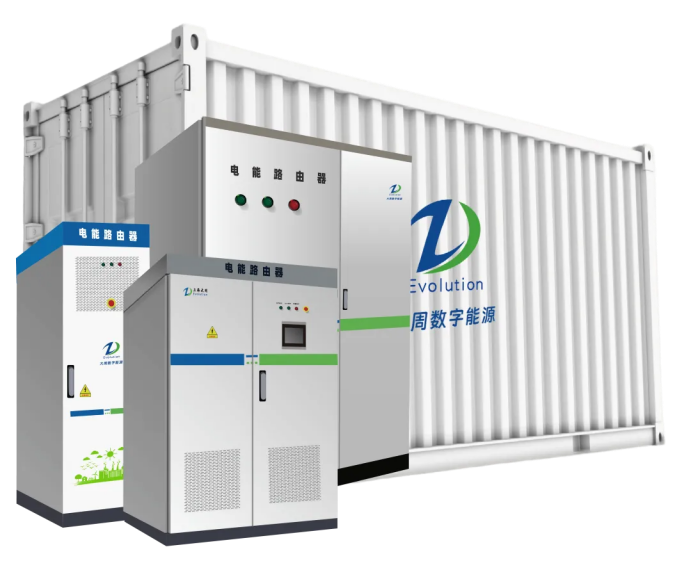
    In simple terms, it allows different distribution transformer areas to achieve flexible power resource scheduling and energy sharing, balancing loads and optimizing grid operation.

    It is like building an “energy highway”, enabling electricity to flow more smoothly, efficiently, and intelligently between different distribution transformer areas.
    Shanghai GCEVO Energy adopts flexible DC technology to achieve interconnection between distribution transformer areas.
    Through precise power control capabilities, the system enables:

    • Low-voltage network interconnection
    • Bidirectional power exchange between distribution transformer areas
    • Flexible energy sharing and load balancing
    • Improved power supply reliability
    • Reduced risk of power outages

    Combined with an intelligent energy management and control system, it enables optimized allocation and coordinated dispatch of power resources.


    Application Scenarios

    1. Load Imbalance Management

    For uneven load distribution between different distribution transformer areas or seasonal fluctuations in electricity demand, the system enables bidirectional power support and load balancing, improving overall power utilization efficiency.


    2. Electric Vehicle Charging Load Management

    With the rapid growth of electric vehicle charging demand, local distribution transformers may face overload risks.

    The system enables dynamic capacity expansion through power sharing between distribution transformer areas, effectively reducing transformer overload pressure and improving charging infrastructure accommodation capability.


    3. High-Quality Power Supply

    During faults or abnormal operating conditions, the system enables:

    • Flexible load transfer between distribution transformer areas
    • Emergency power support
    • Improved power supply reliability
    • Enhanced power quality

    This ensures continuous and stable power supply for critical loads.


    4. Distributed PV Integration

    For distribution transformer areas with high penetration of distributed photovoltaic systems, flexible interconnection can:

    • Increase renewable energy hosting capacity
    • Improve local renewable energy consumption capability
    • Enable active voltage regulation
    • Reduce voltage fluctuations caused by distributed PV generation

    Through intelligent power coordination, the low-voltage distribution network can achieve more flexible, stable, and efficient operation.


    Distribution transformer area flexible interconnection transforms traditional passive low-voltage distribution networks into flexible, intelligent, and interactive energy systems. It provides a key technical foundation for future smart grids, distributed energy integration, and the development of new power systems.

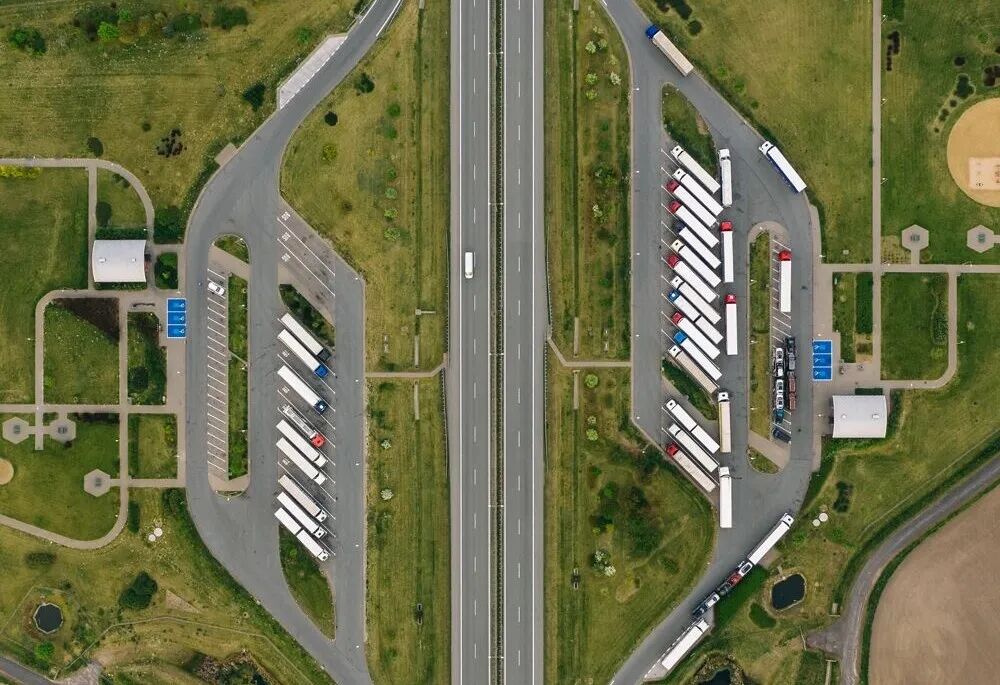
  • Dynamic Capacity Expansion Through Flexible Interconnection Devices | Solving “Tidal Electricity Demand” Challenges in Highway Service Areas

    Dynamic Capacity Expansion Through Flexible Interconnection Devices | Solving “Tidal Electricity Demand” Challenges in Highway Service Areas

    During holiday travel periods, highways are filled with the warmth of family reunions.

    Trunks are loaded with local specialties for loved ones, children count the road signs while eagerly waiting to arrive home, and even the wind seems to carry a sense of anticipation.

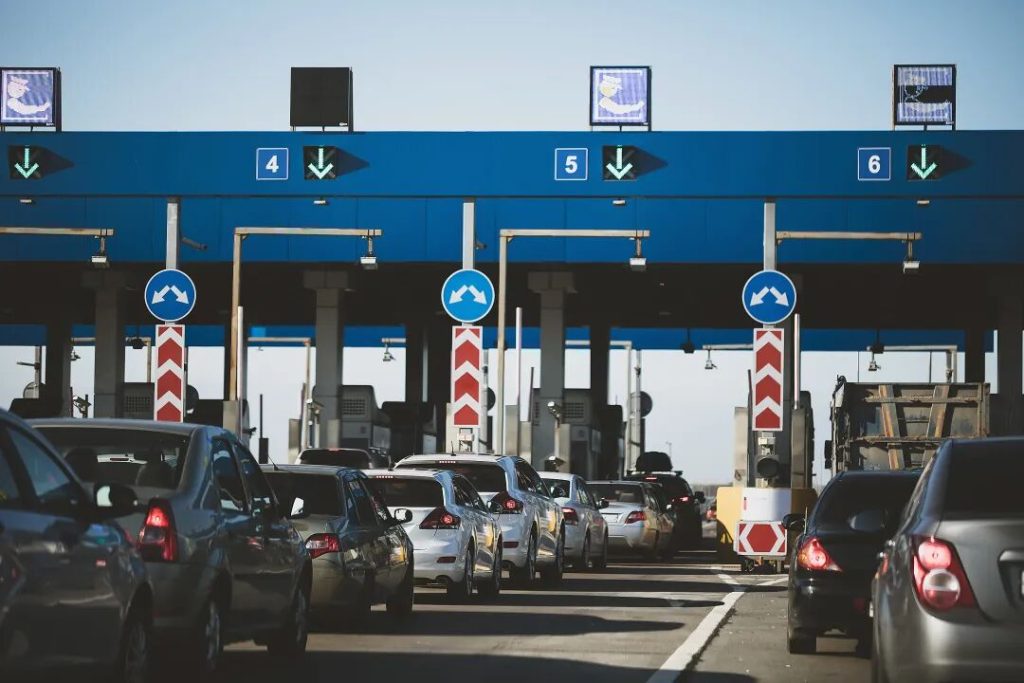
    Highway service areas serve as important “energy supply stations” during journeys, yet they often face a recurring electricity challenge.

    At the beginning of holidays, outbound traffic surges, causing charging stations to become heavily congested. Meanwhile, service areas on the opposite return route may have many idle electrical facilities, resulting in wasted power capacity.

    To handle peak demand, service area operators often have to invest heavily in installing dual high-capacity transformers. However, this leads to high equipment investment and maintenance costs, while these assets remain underutilized during normal periods.

    For service area operators, these electricity challenges are particularly difficult:

    They aim to provide seamless services for travelers, but are constantly restricted by “tidal electricity demand,” idle equipment capacity, and unexpected power failures.

    The solution lies in the feeder-level flexible interconnection device,Power Router from GCEVO, specifically designed to address service area power challenges.

    Based on low-voltage flexible DC interconnection technology, it enables interconnection and mutual power support between two distribution transformer areas without major modifications to existing infrastructure, effectively solving these challenges.


    ▍Solving the Challenge of Tidal Electricity Demand

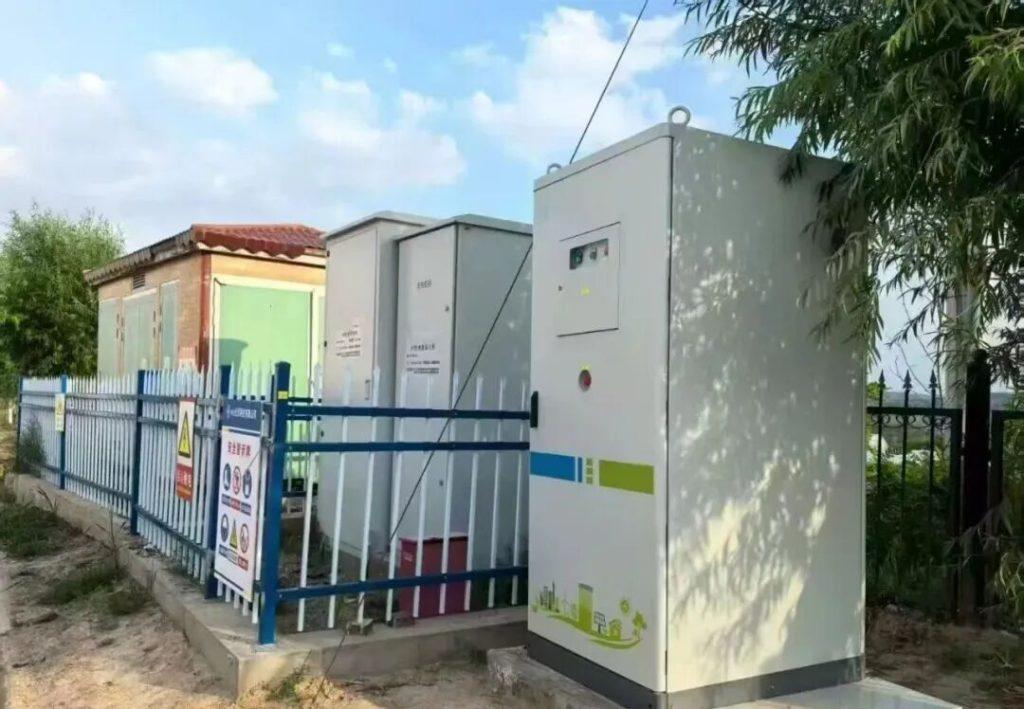
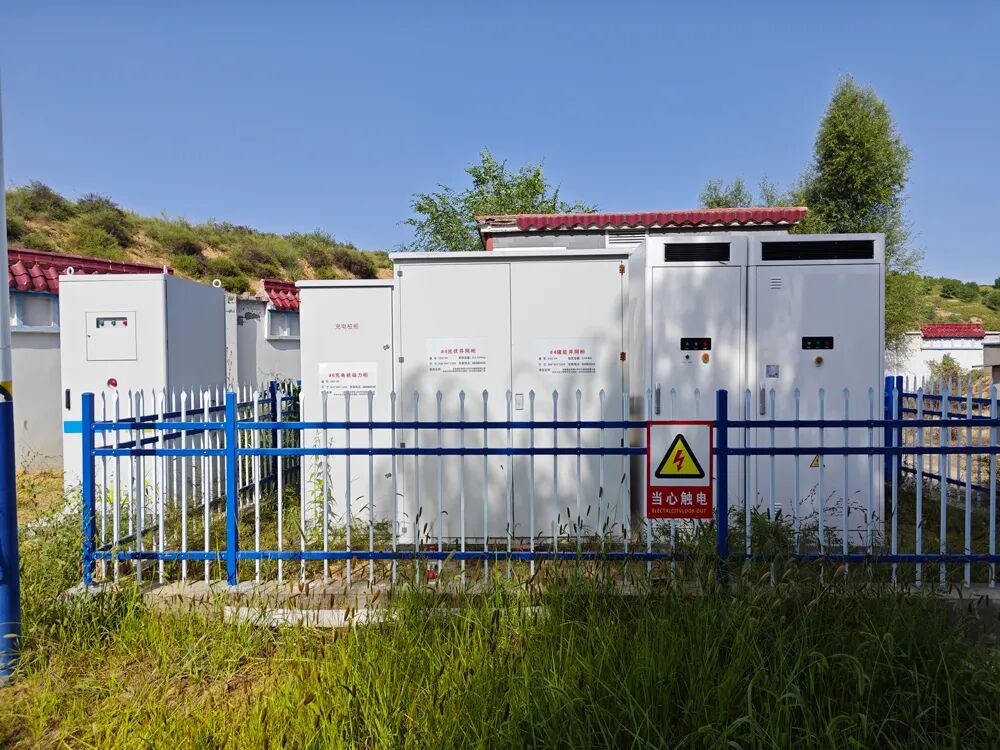
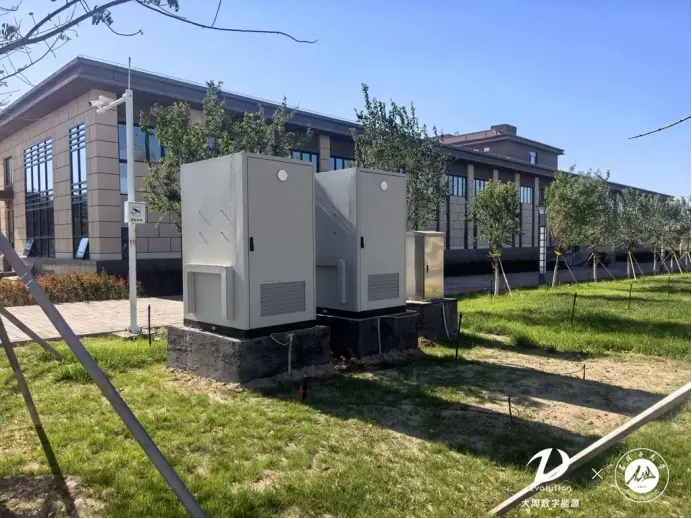
    The electricity challenges faced by highway service areas are comprehensively addressed through a flexible interconnection outdoor cabinet system featuring advanced technology and precise configuration.

    The system is built around low-voltage flexible DC interconnection technology.

    Outdoor cabinets are installed near two separate distribution transformer areas and connected through DC power cables, creating an efficient “energy exchange bridge” between the two power supply zones.

    The core multi-port Power Router system includes:

    • Two 125 kW bidirectional AC/DC converters

    The two transformer areas are connected through their respective converters to a common DC bus, forming a shared DC bus architecture, which provides the foundation for flexible power exchange.

    The secondary control system includes:

    • One feeder-level flexible interconnection coordination controller
    • Real-time monitoring and system operation management
    • Intelligent dispatch command execution
    • Metering systems
    • UPS modules
    • Cable and auxiliary equipment

    Together, these components ensure stable and reliable system operation.


    Dynamic Capacity Sharing Between Distribution Areas

    Designed specifically for the “tidal electricity demand” characteristics of highway service areas, the system enables:

    • Real-time interconnection between distribution areas
    • Dynamic sharing of available capacity

    During holiday outbound peak periods:

    • When electricity demand increases at departure-direction service areas,
    • Available capacity from less-loaded return-direction service areas can be transferred through the system to support charging piles, air-conditioning systems, and other loads.

    During return-trip peak periods:

    • The direction of power support can be reversed, allowing the originally high-capacity outbound area to support the return-direction area.

    Combined with reserved DC interfaces designed according to distribution area load characteristics, the system can integrate idle energy resources and increase resource utilization efficiency up to 99.99%.

    Through dynamic power sharing between distribution areas, the system enables capacity expansion without adding new transformers.

    It can also integrate renewable energy sources such as PV systems to achieve:

    • Local renewable energy consumption
    • Excess electricity export to the grid
    • Additional green energy revenue opportunities

    Enhanced Power Reliability

    Even if one distribution area experiences a fault, the other area can provide support within seconds.

    This eliminates the risk of travel disruption caused by power outages and significantly improves service area power reliability.

    The solution represents a new form of terminal distribution network under the future-oriented new power system architecture.


    ▍Designed for Highway Service Areas: Immediate Benefits After Deployment

    For highway service areas, this system is not only effective but also easy to operate.

    Its key technical parameters are fully aligned with service area electricity requirements.

    During normal operation:

    • One distribution area can operate in bidirectional voltage regulation mode
    • The other can operate in grid-connected power mode

    The converter achieves:

    • Voltage regulation accuracy: ±2% under constant voltage operation
    • Current regulation accuracy: ±5% under constant current operation

    Whether supplying:

    • EV charging stations
    • Restaurant air-conditioning systems
    • Retail payment systems

    the system ensures stable power supply without equipment interruptions caused by voltage fluctuations, creating a smoother experience for travelers.


    Intelligent Automatic Dispatch During Peak Periods

    During holiday “tidal demand” periods, operators no longer need to manually coordinate power distribution.

    Through the human-machine interface:

    1. Operators set the target power level
    2. The interface displays the safe operating power range
    3. After confirmation, the system automatically executes power allocation

    The system automatically transfers available capacity from lightly loaded areas to heavily loaded areas without manual intervention.

    This reduces operational workload and eliminates the need for staff to continuously monitor electricity issues.

    Furthermore:

    • The converter can operate continuously for 10 minutes at 110% rated current
    • It can operate for 1 minute at 120% rated current

    Even under sudden traffic surges and unexpected electricity peaks, the system maintains stable operation and protects traveler experience.


    ▍Supporting Green and Efficient Highway Infrastructure

    In highway service area applications, the flexible interconnection outdoor cabinet system helps:

    • Reduce energy waste caused by tidal electricity demand
    • Improve operational cost efficiency
    • Enhance traveler service experience
    • Integrate renewable energy resources such as PV systems
    • Create additional green energy value

    In the future, supported by low-voltage flexible DC interconnection technology, the system will continue helping more highway service areas overcome electricity challenges, ensuring reliable power for every journey and accelerating the transformation of terminal power networks toward a greener, more efficient future.

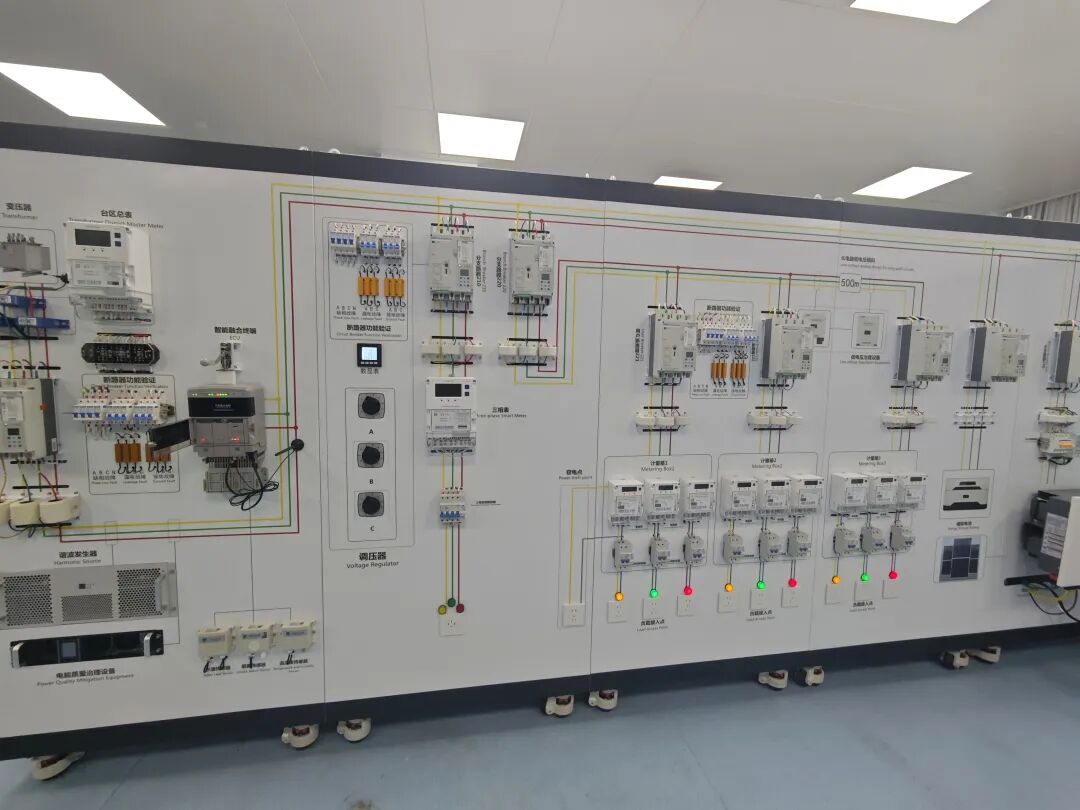
  • The “Fantastic Journey” of a Kilowatt-Hour: In This Laboratory, PV, Energy Storage, and EV Chargers Are All Managed by One Device

    The “Fantastic Journey” of a Kilowatt-Hour: In This Laboratory, PV, Energy Storage, and EV Chargers Are All Managed by One Device

    How many stages does one kilowatt-hour of electricity go through before traveling from a photovoltaic panel to lighting up a laboratory lamp?

    The traditional answer would be:

    Inverter → Distribution Cabinet → Transformer → …

    Each device manages one part of the process. Energy flows through multiple conversion stages, with efficiency losses accumulating along the way.

    Today, in a large-scale microgrid laboratory in China, the answer has become:

    Just one.

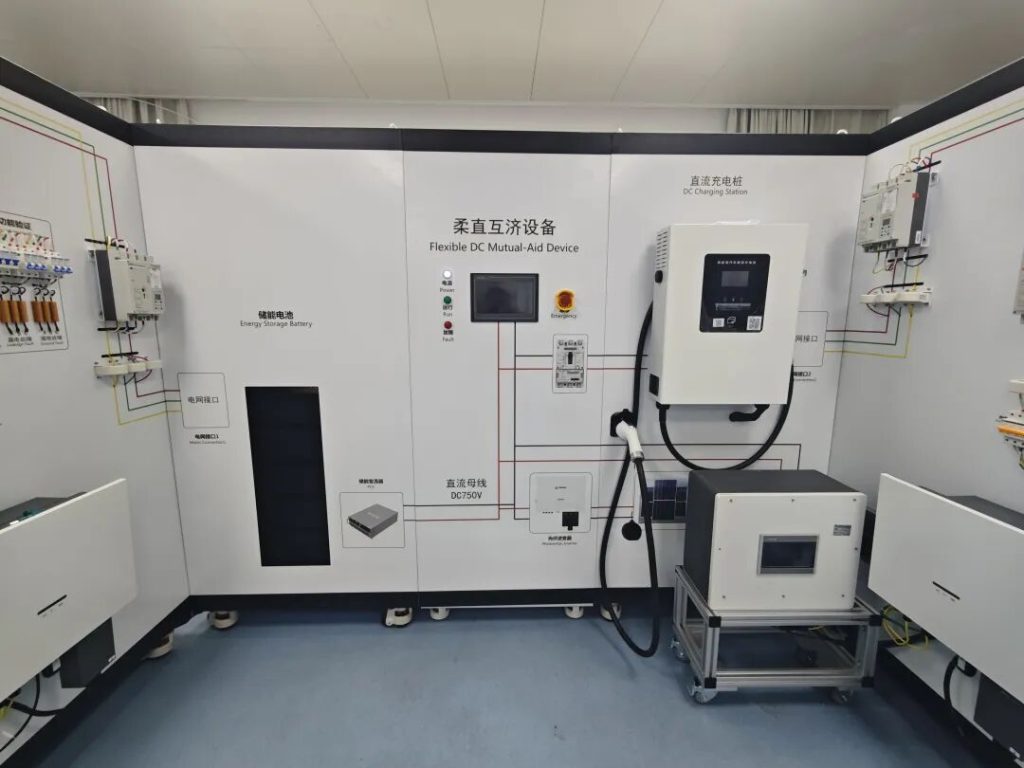
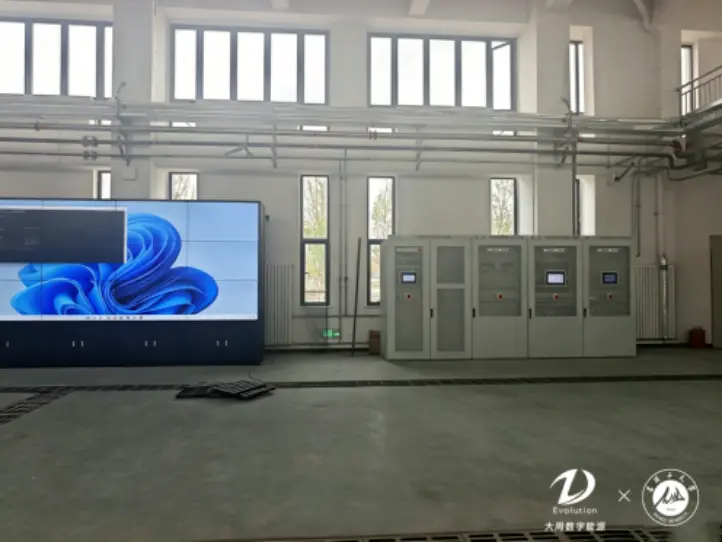
    The multi-port PV + Storage + DC Flexible Power Router developed by GCEVO Energy has officially been deployed in this laboratory.

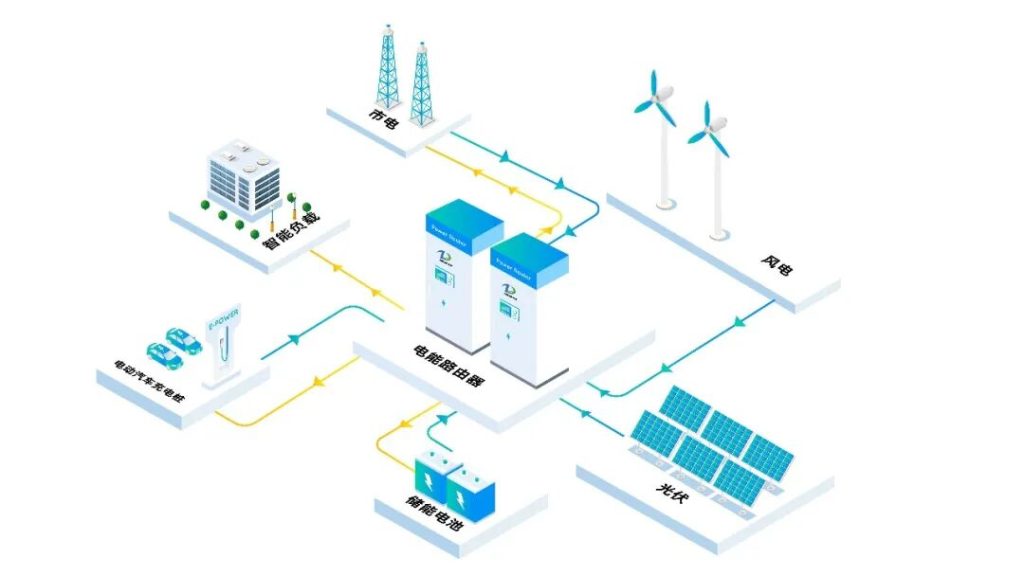
    PV generation, energy storage, grid connection, EV charging, and AC/DC loads are all connected through a single 750V DC bus, integrating the entire “Source-Grid-Load-Storage” system into one cabinet.


    A Testing Platform for Next-Generation Microgrid Technologies

    As a cutting-edge platform for microgrid technology validation, this laboratory has extremely demanding energy requirements.

    The system needs to:

    • Connect PV simulators to reproduce real photovoltaic generation profiles
    • Integrate energy storage batteries to validate charging and discharging strategies
    • Support DC charging piles for 750V DC fast-charging scenarios
    • Supply AC loads
    • Maintain two grid connection channels for bidirectional interaction with the power grid

    With mixed AC/DC systems and multiple voltage levels coexisting, traditional power distribution solutions would require numerous cabinets and result in complicated efficiency calculations.

    The solution:

    A DZ-DCnex-PR5 Series Multi-Port PV + Storage + DC Flexible Power Router.


    One Device Connecting Source, Grid, Load, and Storage

    Using a 750V DC bus as the energy hub, the Power Router integrates generation, grid, loads, and storage into a unified energy network.

    The system includes:

    • Two bidirectional grid interaction ports
    • PV input port supporting 200–750V DC wide voltage range
    • 10kW / 20kWh lithium iron phosphate bidirectional energy storage port
    • Two 10kW 380Vac AC load ports
    • One 10kW 750Vdc EV charging port

    The most impressive feature is its efficiency:

    • Grid port peak efficiency ≥99%
    • Energy storage port efficiency ≥99.3%
    • Load port efficiency ≥99.8%

    With fewer energy conversion stages and shorter power paths, energy losses are minimized and electricity costs are naturally reduced.


    Three Flexible Operating Modes

    ▍Low-Carbon Grid-Connected Mode (Default)

    The system prioritizes renewable energy utilization:

    PV → Load → Energy Storage → Grid Export

    Power supply priority:

    PV > Battery > Grid

    PV generation is first used locally. Surplus energy charges the battery, and only after the battery is fully charged is excess power exported to the grid.


    ▍Independent Operation Mode

    When the grid fails:

    The energy storage system takes over as the core power source, maintaining DC bus stability and ensuring critical loads remain powered for up to 4 hours.


    ▍Flexible Interconnection Mode

    The system enables:

    • Multi-distribution-area power sharing
    • Dynamic capacity expansion
    • Peak-load mutual support
    • Emergency power backup

    By allowing power resources to support each other, it reduces transformer investment requirements and lowers fixed electricity capacity costs.


    Intelligent Control Strategies Make the System Truly “Alive”

    Beyond hardware integration, intelligent control strategies are what bring the system’s real value.

    ▍Minimum PV Curtailment + Minimum Electricity Cost

    Within safe operating limits and available capacity, the system continuously optimizes operation to maximize economic benefits.


    ▍Night-Time Valley Electricity Charging

    During low-price electricity periods, the system automatically charges the energy storage battery.

    The charging rate can be flexibly adjusted between:

    0.1C–0.3C

    balancing charging efficiency and battery lifetime.


    ▍Real-Time Carbon Accounting

    Based on an emission factor of 0.5257, the system provides transparent carbon accounting.

    Users can clearly monitor:

    • PV generation carbon reduction
    • Load electricity consumption
    • Grid electricity carbon impact

    making the carbon footprint visible and measurable.


    Digital Monitoring and Intelligent Operation

    The system is equipped with:

    • 10.1-inch industrial touchscreen
    • Data storage every 60 seconds
    • Standard Modbus TCP communication interface
    • Remote upgrade capability

    Every experimental result and operational data point in the laboratory is recorded, traceable, and available for analysis.


    From Passive Energy Consumption to Active Energy Management

    Under the “Dual Carbon” goals, energy consumption is transforming from passive acceptance toward active management.

    This laboratory is not only a technology validation platform but also a demonstration model.

    The mature PV + Storage + DC Flexible technologies verified here can be replicated across a wide range of large-scale applications:

    • Industrial parks
    • Commercial buildings
    • Data centers
    • Zero-carbon communities
    • Distributed microgrids

    From optimizing the value of a single kilowatt-hour to enabling flexible energy interconnection across entire regions, the possibilities of microgrids are only beginning to unfold.

  • Successfully Concluded | GCEVO Energy Showcases at the 4th PV + Storage + DC Flexible Energy Conference, Advancing System Economics, Reliability, and Multi-Scenario Adaptability with Power Routers as Core Energy Devices

    Successfully Concluded | GCEVO Energy Showcases at the 4th PV + Storage + DC Flexible Energy Conference, Advancing System Economics, Reliability, and Multi-Scenario Adaptability with Power Routers as Core Energy Devices

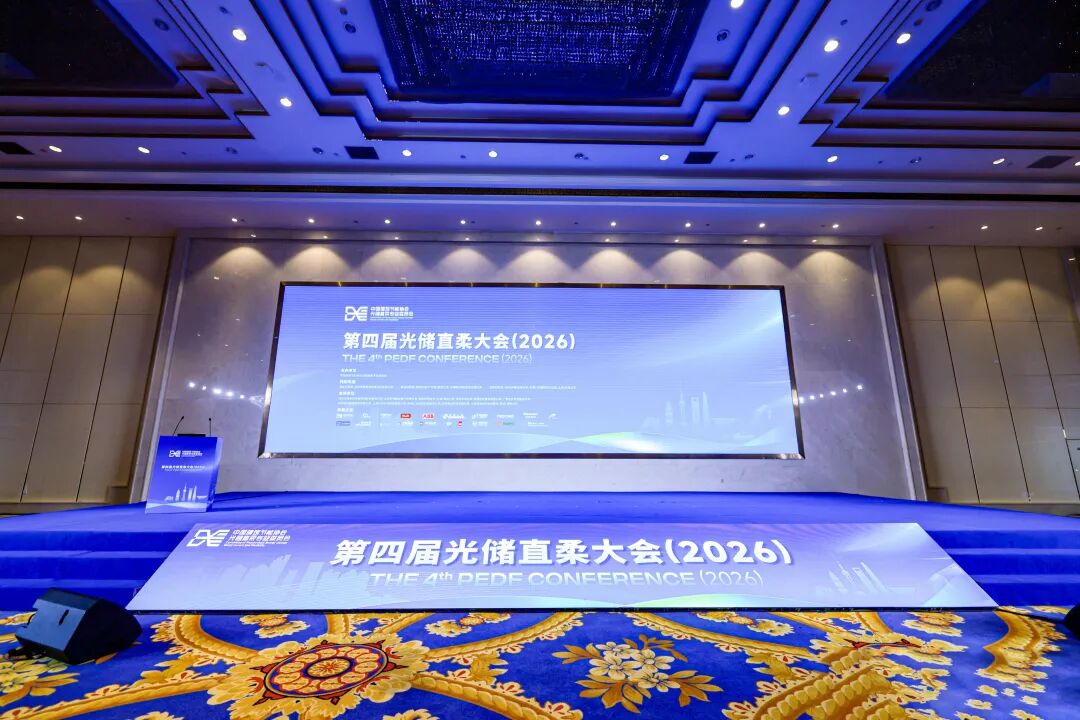
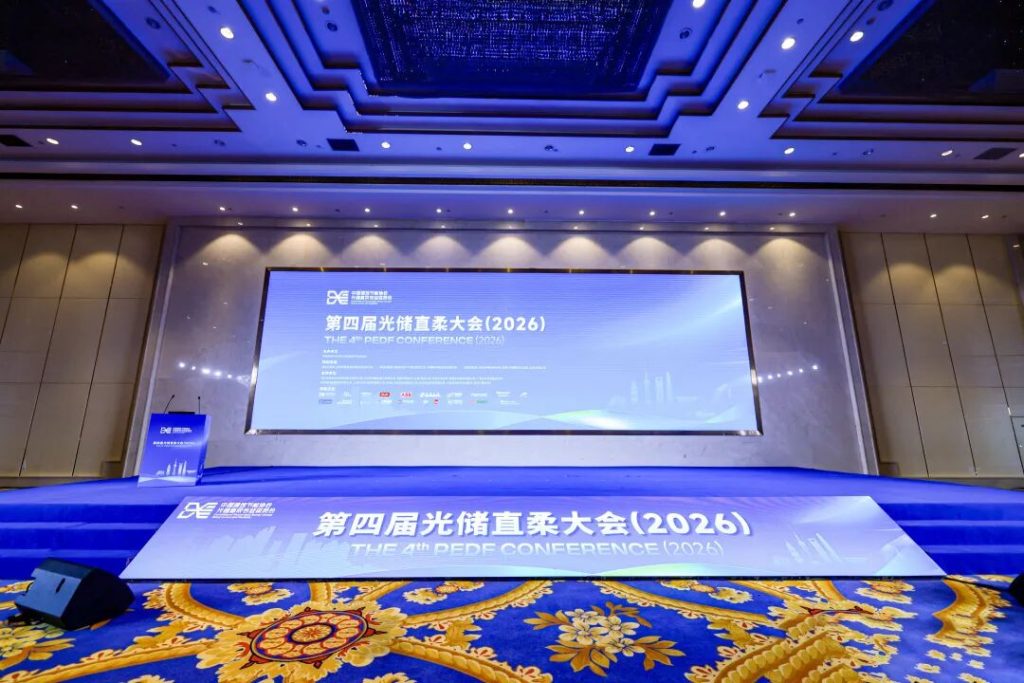
    The three-day 4th PV + Storage + DC Flexible Energy Conference (2026) has successfully concluded in Shanghai.

    Hosted by the PV + Storage + DC Flexible Energy Professional Committee of China Association of Building Energy Efficiency, the conference focused on cutting-edge topics including PV + storage + DC flexible building energy systems, DC distribution, flexible energy consumption, virtual power plants, and zero-carbon park development.

    The event brought together industry experts, research institutions, energy companies, and upstream and downstream partners across the value chain to explore pathways toward low-carbon transformation of building energy systems.

    As a supporting organization of the conference, GCEVO Energy participated throughout the event and presented its core solutions for user-side DC power distribution.


    Power Router Applications in User-Side DC Distribution

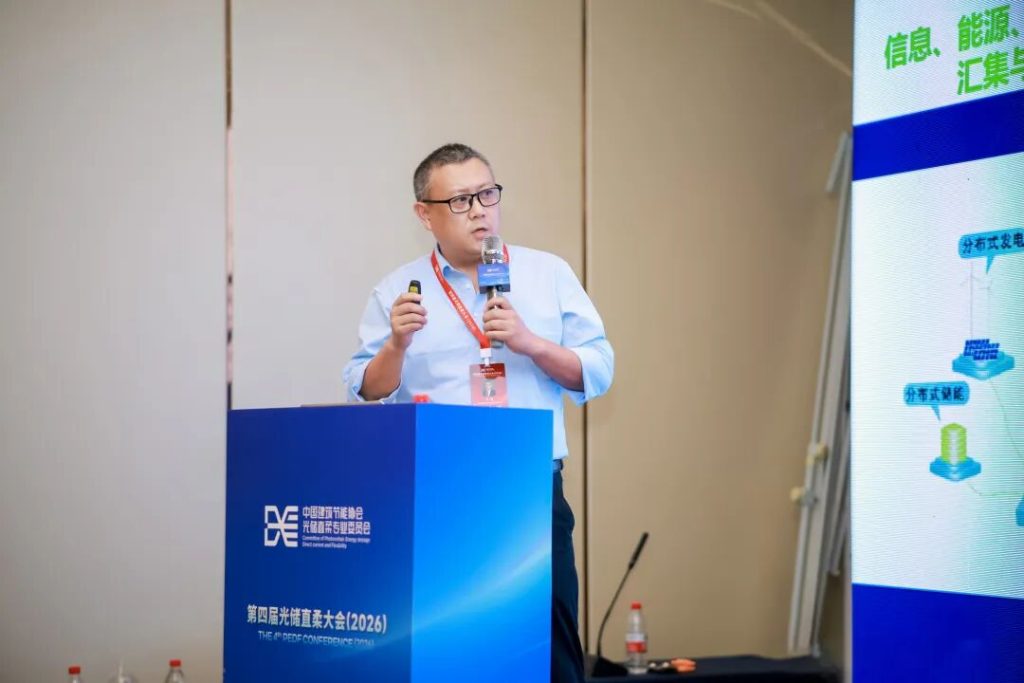
    On the afternoon of July 11, during the DC Distribution and Flexible Energy Consumption Forum, GCEVO Energy Chairman Tao Wang delivered a keynote speech titled:

    “Applications of Power Routers in User-Side DC Distribution Scenarios.”

    The presentation focused on the challenges faced by PV + Storage + DC Flexible energy systems, introducing the technical principles and practical applications of Power Routers as the core energy hub of DC microgrids.

    The Power Router enables efficient coordination of:

    • Photovoltaic generation
    • Energy storage battery systems
    • DC charging infrastructure
    • DC building loads

    By reducing energy losses caused by repeated AC/DC conversions, it enables flexible energy scheduling for industrial parks and buildings.

    During the daytime, renewable electricity generated by PV systems is prioritized for local consumption, while surplus energy is stored in energy storage systems.

    During nighttime or peak demand periods, stored energy can be flexibly discharged. Combined with grid demand response mechanisms, the system achieves:

    • Peak shaving and valley filling
    • Reduced electricity costs
    • Improved renewable energy utilization

    The solution is highly compatible with PV + Storage + DC Flexible applications such as zero-carbon buildings and park-level microgrids, addressing critical challenges in the deployment of user-side DC distribution systems.


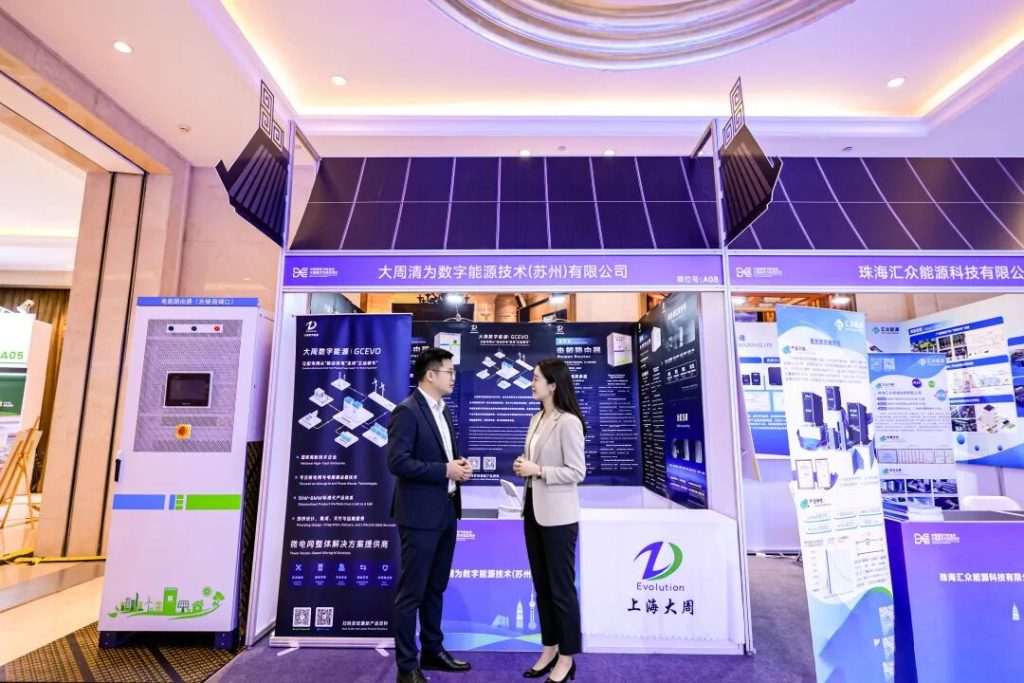
    Integrated PV + Storage + Load Power Router on Display

    During the event, GCEVO Energy also exhibited its integrated PV + Storage + Load Power Router.

    The device is designed for zero-carbon building DC networking architectures based on PV + Storage + DC Flexible technologies.

    It establishes direct DC interconnection pathways among:

    • Photovoltaic systems
    • Energy storage systems
    • Building DC loads

    By reducing unnecessary AC/DC conversion processes, the system improves local renewable energy utilization efficiency.

    At the same time, it enables flexible load management and intelligent energy scheduling, helping buildings:

    • Maximize self-consumption of renewable energy
    • Reduce overall carbon emissions
    • Achieve more efficient energy management

    It provides a standardized DC integration solution for zero-carbon buildings.


    Building the Future of Flexible and Intelligent Energy Systems

    Seizing the opportunities brought by the rapidly developing PV + Storage + DC Flexible energy sector, GCEVO Energy will continue to enhance its core technologies in:

    • DC power distribution
    • Power Router platforms
    • Intelligent energy management

    The company will further expand real-world applications across diverse PV + Storage + DC Flexible scenarios, working together with industry partners to build a greener and smarter energy ecosystem.

    Together, we are accelerating the transition of building energy systems toward a future that is:

    Low-carbon · Efficient · Flexible · Intelligent.

  • A University Deploys a Power Router: From “Weather-Dependent Energy Use” to “Precision Energy Management”

    A University Deploys a Power Router: From “Weather-Dependent Energy Use” to “Precision Energy Management”

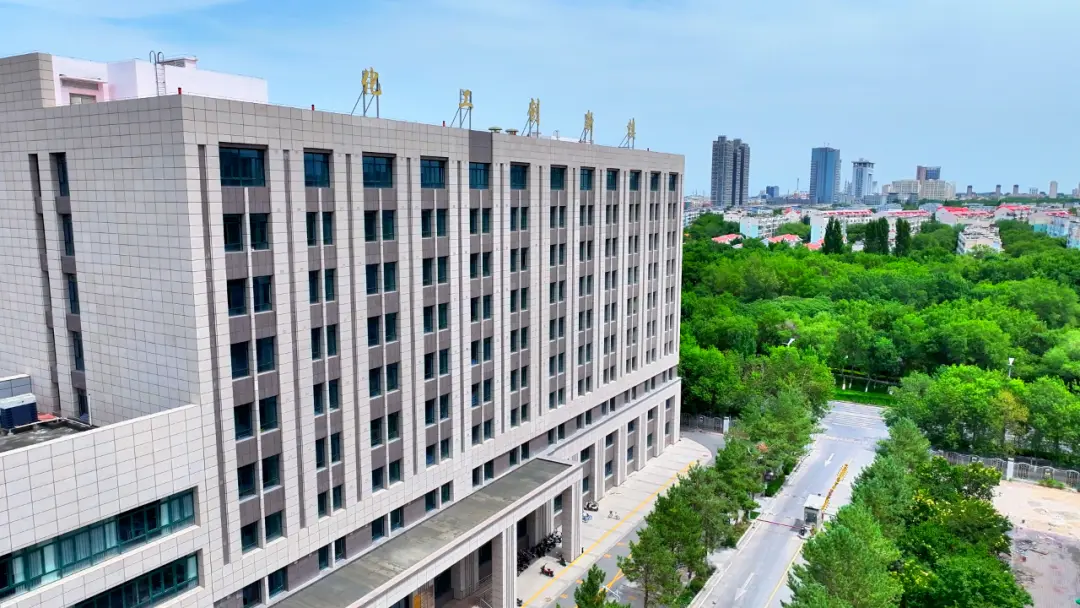
    The story of Shihezi University dates back to 1949, when General Wang Zhen led troops into Xinjiang and established the first medical school of the First Corps of the People’s Liberation Army.

    Guided by the resilient “Corps Spirit,” generations of teachers and students built this young campus together with settlers—laying foundations, digging pipelines, building teaching tools, and constructing the university while simultaneously holding classes.

    More than 70 years later, Shihezi University has become a national “211 Project” key university and a “Double First-Class” discipline construction university, cultivating a large number of outstanding graduates.

    Many graduates chose not to developed cities, but instead rooted themselves in frontier regions—growing cotton at the edge of the Taklamakan Desert, working on water conservancy in the Ili Valley, and conducting geological exploration at the foot of the Kunlun Mountains.

    This land has given Shihezi people a spirit of hardship and perseverance, as well as a natural geographical advantage—over 2,800 hours of annual sunshine, among the highest solar resources in China.

    However, for many years, abundant sunlight and electricity demand have not been effectively coordinated.

    Although agricultural loads are stable and predictable, university campuses present complex load profiles, large peak-valley differences, and difficulties in renewable energy consumption. Rooftop PV systems often face a mismatch between generation and consumption:

    • Excess electricity is sold to the grid at low prices, or
    • The campus continues to rely on expensive grid electricity due to lack of unified dispatch

    As a result, renewable energy is often “visible but not fully utilized.”

    Energy waste is particularly evident in industrial and research environments. The experimental building of Shihezi University is a typical example.


    Complex Energy Consumption in the Experimental Building

    Compared with conventional office buildings, the energy system in the experimental building is significantly more complex:

    ▍Mixed Load Types

    AC motors, DC instruments, and precision devices coexist in the same building. Traditional distribution systems supply power in a “one-size-fits-all” manner, ignoring different load characteristics, resulting in continuous energy conversion losses.

    ▍PV Curtailment and Mismatch

    Rooftop PV generation does not align with building demand:

    • Solar peak occurs at noon when labs may be idle
    • Experimental peak occurs in the evening when PV output is unavailable

    As a result, electricity is sold to the grid at low prices, while the building still purchases expensive grid electricity.

    ▍Peak-Valley Cost Inefficiency

    Many devices operate 24/7. Peak demand often overlaps with grid peak pricing periods, resulting in high electricity costs.

    ▍Manual Energy Dispatch

    Decisions such as when to use PV, charge storage, or draw from the grid rely on manual judgment, making real-time optimization impossible.

    Although these issues do not directly cause outages, they continuously increase energy costs and waste electricity resources.


    A New Approach at Shihezi University Experimental Building

    To address these challenges, the experimental building adopted a new energy management approach.

    The Power Router is essentially a multi-port hybrid energy system.

    It can be understood as the “intelligent energy dispatch hub” of the power system—just as a network router distributes data, the power router distributes energy, but with far greater capability for optimization.

    ▍Core Capabilities

    1. Multi-source unified access
    Grid power, photovoltaic generation, and energy storage are all connected through a unified platform.

    PV-generated DC power can directly supply DC loads in the building, reducing AC/DC conversion losses.

    2. Intelligent energy dispatching
    The system continuously monitors energy status and load demand at each port, autonomously deciding:

    • Where energy comes from
    • Where energy flows

    When solar output is sufficient, PV is prioritized.
    During peak tariff periods, storage is dispatched.
    When PV is surplus, energy is stored in batteries.

    Every kilowatt-hour is allocated to the most cost-efficient use.

    3. Economic optimization strategy
    Based on time-of-use tariffs, PV feed-in prices, and consumption patterns, the system automatically generates optimal dispatch strategies.

    Users do not need to understand energy scheduling—the system performs it automatically like a “financial optimizer for electricity.”


    Real-World Validation at Shihezi University

    In practice, GCEVO Energy deployed a multi-port Power Router system in the experimental building.

    The system features:

    • 8 ports
    • 750V DC bus architecture

    It transforms “multi-source integration, intelligent dispatching, and economic optimization” into measurable operational data.

    The core value is not simply connecting energy sources, but ensuring that every kilowatt-hour is used efficiently.

    Energy Dispatch Strategy

    Daytime (sunlight available):

    • PV supplies building loads first
    • Excess energy is stored in batteries
    • Once storage is full, remaining energy is exported to the grid
    • Minimizes PV curtailment and maximizes utilization

    Evening peak hours:

    • Batteries discharge to support loads together with PV
    • Grid power is used only when necessary
    • Storage is prioritized during high-price periods to reduce cost

    Night off-peak hours:

    • Grid electricity is used to charge storage systems
    • Charging rate: 0.1–0.3C
    • Optimized for efficiency and battery lifespan

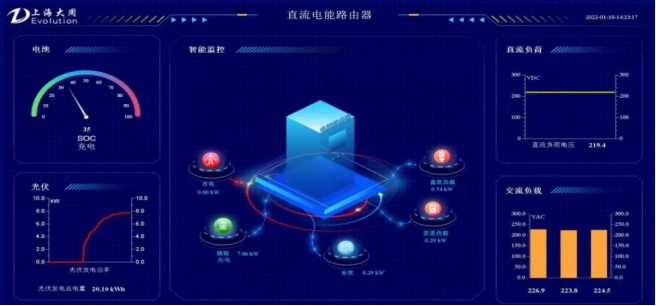
    The system operates fully automatically and records data every 60 seconds, including voltage, current, power, and cumulative generation. All data is visualized and accessible remotely.


    Application Beyond Universities

    The Shihezi University case validates the feasibility of Power Routers in campus environments, but applications extend far beyond:

    ▍Industrial Parks

    Multiple factories and production lines with diverse energy forms and significant peak-valley price differences benefit from PV + storage + intelligent dispatching.

    ▍Commercial Buildings

    Air conditioning, lighting, and elevators create distinct load patterns. Peak shaving significantly reduces electricity costs.

    ▍Data Centers

    Require extremely high reliability. Multi-source redundancy, intelligent dispatching, harmonic suppression, and voltage stabilization ensure safe operation of sensitive equipment.

    ▍Remote Microgrids

    In areas with weak grid coverage, Power Routers combined with PV and storage enable independent microgrid systems.

    Sunlight from the Gobi Desert has now entered the laboratory.

    And the logic that enables full utilization of solar energy is expanding beyond universities into more scenarios:

    • Industrial parks
    • Commercial buildings
    • Data centers
    • Remote microgrids

    Wherever energy optimization is needed, the Power Router will be deployed.

  • Adaptation to Local Conditions | Multi-Port Power Router Based Low-Voltage DC Microgrid Networking Solution

    Adaptation to Local Conditions | Multi-Port Power Router Based Low-Voltage DC Microgrid Networking Solution

    Today, the rapid development of the new energy sector is increasingly evident and undeniable. New energy generation systems represented by solar energy, wind energy, and hydrogen energy are characterized by cleanliness and abundant energy resources.

    However, electricity demand in remote field environments is highly diverse and requires strong flexibility. It is difficult for traditional power infrastructure to cover every corner of the land, especially in remote regions and even extreme border areas.
    New energy generation systems, particularly PV + storage-based solutions, provide an effective way to address this challenge. Distributed microgrid systems based on PV and energy storage follow the principle of “adapting to local conditions and utilizing resources scientifically”, enabling localized installation and local energy consumption.

    Compared with traditional centralized grid supply, distributed PV-storage microgrids can better meet users’ increasing requirements for safety and reliability, while providing diversified and customized power supply solutions for different users.

    To better address customer challenges and meet application requirements, this solution builds a low-voltage DC distribution system based on a GCEVO Power Router.

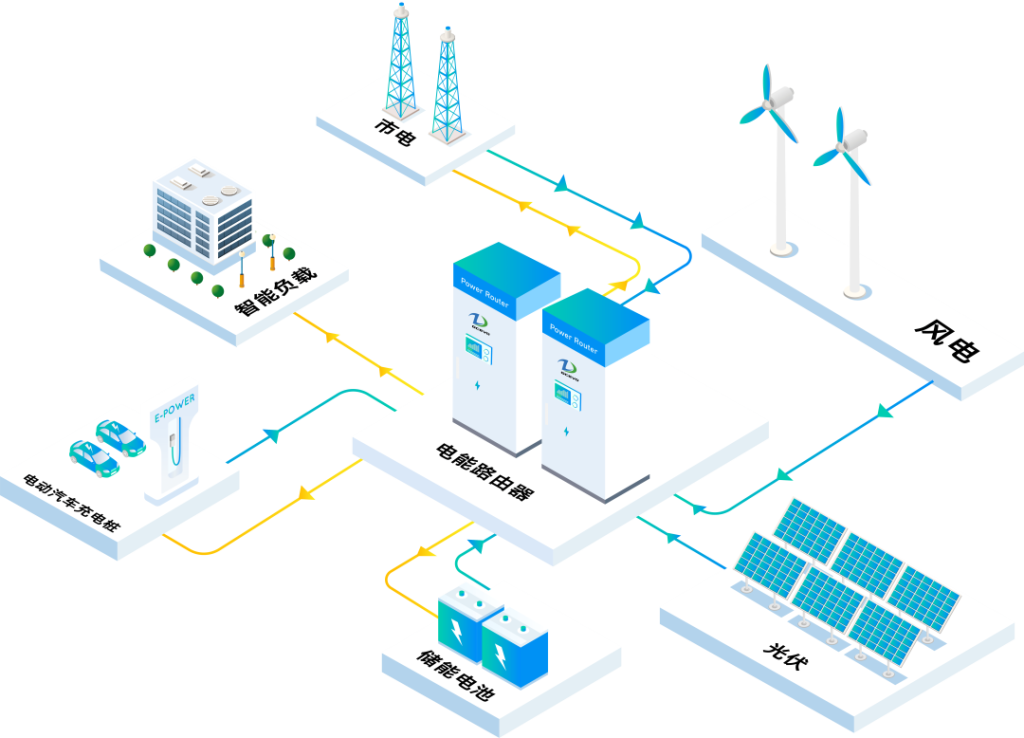
    The Power Router features five ports, connected respectively to:

    • Wind power
    • Photovoltaics (PV)
    • Energy storage
    • DC loads
    • AC loads

    All ports share a common DC bus, enabling distributed energy resources to be plug-and-play through the Power Router.

    This architecture supports flexible networking and allows rapid deployment of power supply systems.

    By adopting a PV + Storage + DC Flexible architecture, the overall system achieves higher efficiency, improved reliability, and better adaptability for distributed energy integration.

  • Why DC Distribution Is Becoming Mainstream?

    Why DC Distribution Is Becoming Mainstream?

    With the large-scale adoption of photovoltaics, wind power, energy storage, and electric vehicles, the limitations of traditional AC distribution networks are becoming increasingly apparent. Issues such as high line losses, poor power quality, complex integration of renewable energy, and high system regulation difficulty make it difficult to meet the requirements of next-generation power systems.

    In contrast, DC distribution is emerging as a mainstream development direction in the distribution sector, thanks to its advantages such as low transmission losses, high reliability, no need for phase synchronization, and strong compatibility with distributed energy sources. However, traditional DC distribution systems still suffer from fragmented control, low networking flexibility, and weak device coordination. With the widespread application of GCEVO Energy’s DC Power Router, these limitations are being effectively addressed. The system provides a new paradigm for the industry and has become a core hub enabling intelligent and flexible DC distribution.

    At present, extensive research and experimental projects on DC distribution networks are being carried out worldwide. Such as the United States, Japan, South Korea, and several European nations are focusing on low-voltage DC architectures, building power supply systems, and microgrid control technologies, with multiple prototype systems developed and validated. In China, since 2009, institutions such as Tsinghua University and North China Electric Power University have continuously advanced technological research, while many utility companies have established flexible DC distribution experimental platforms to promote localized innovation and iteration. Overall, the industry is still in the experimental and exploratory stage, and large-scale commercialization requires empowerment from intelligent core equipment.

    Compared with AC distribution, DC distribution offers significant technical advantages. Line losses are reduced to only 15%–50% of AC systems, delivering substantial energy savings. It eliminates the need for phase, frequency, and reactive power control, effectively avoiding power quality issues such as harmonics, three-phase imbalance, and voltage fluctuations. In addition, DC systems feature faster fault recovery and higher supply stability. Their topology is highly flexible, including bipolar, radial, and ring structures, making them suitable for industrial parks, commercial buildings, and residential applications. DC distribution also significantly simplifies renewable energy grid integration by reducing converter stages and enabling seamless connection of clean energy sources and storage systems, aligning with the trend of local renewable energy consumption.

    The GCEVO Energy DC Power Router is a new-generation core device integrating power electronics conversion, edge computing, and intelligent energy management. It fundamentally breaks through the limitation of traditional distribution equipment that only enables one-way power delivery. It also addresses key challenges in conventional DC distribution systems, such as the lack of unified control units, poor fault tolerance, and weak system coordination.

    Equipped with a dedicated control system, the device can continuously monitor the operating status of photovoltaic systems, wind power, energy storage, grid inputs, and end-user loads. It enables autonomous power balancing, seamless on-grid/off-grid switching, and precise fault isolation. It also supports bidirectional energy flow, allowing intelligent charging and discharging of energy storage systems and exporting surplus power to the grid, significantly improving renewable energy utilization efficiency.

    The power router adopts a standardized modular design with strong adaptability, enabling seamless compatibility with various DC distribution topologies. For decentralized residential scenarios, it supports flexible expansion and redundant networking. For high-reliability power supply scenarios, it can quickly identify and isolate faults, ensuring both system stability and operational convenience.

    In practical applications, the integration of DC distribution and power routers reduces redundant multi-stage conversion equipment. PV and wind power integration becomes simpler, and DC loads can be directly powered. The system can intelligently implement operating strategies such as PV priority, energy storage peak shaving, and grid power backup. In fault conditions, it ensures uninterrupted power supply to critical loads, effectively reducing distribution corridor requirements, lowering operational costs, and improving overall system safety and power quality.

    In conclusion, DC distribution is an inevitable evolution of next-generation power systems. The GCVEO Energy Power Router provides a mature hardware foundation and practical deployment solution. The deep integration of both enables comprehensive adaptation to multi-scenario power distribution needs, accelerates efficient renewable energy consumption, and promotes the large-scale commercialization of DC distribution networks, providing strong support for the development of smart power systems.