During holiday travel periods, highways are filled with the warmth of family reunions.
Trunks are loaded with local specialties for loved ones, children count the road signs while eagerly waiting to arrive home, and even the wind seems to carry a sense of anticipation.
Highway service areas serve as important “energy supply stations” during journeys, yet they often face a recurring electricity challenge.
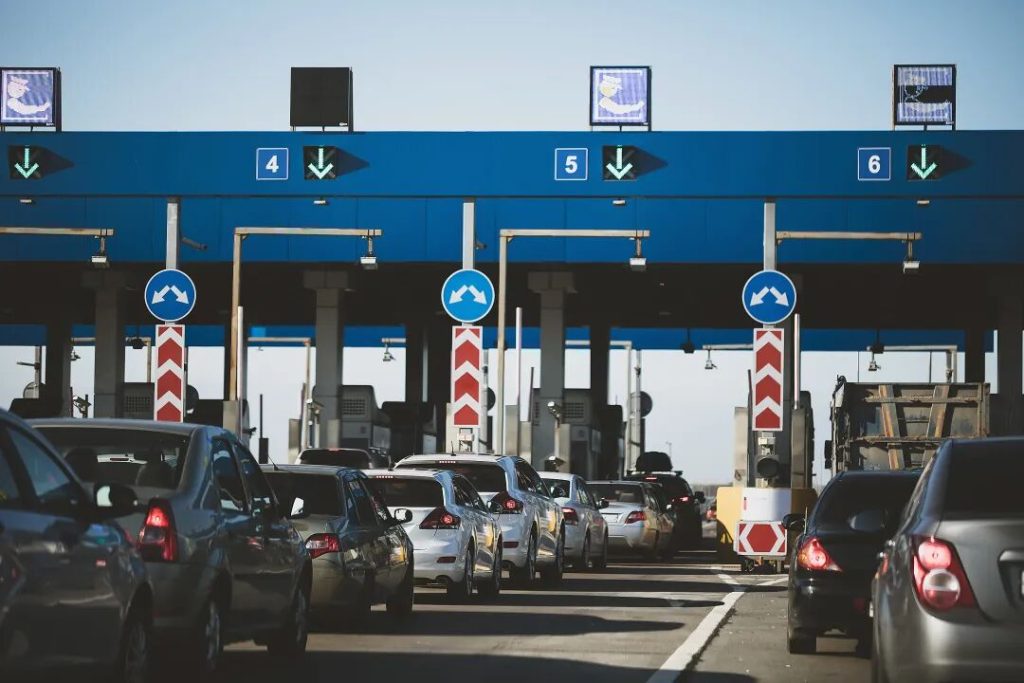
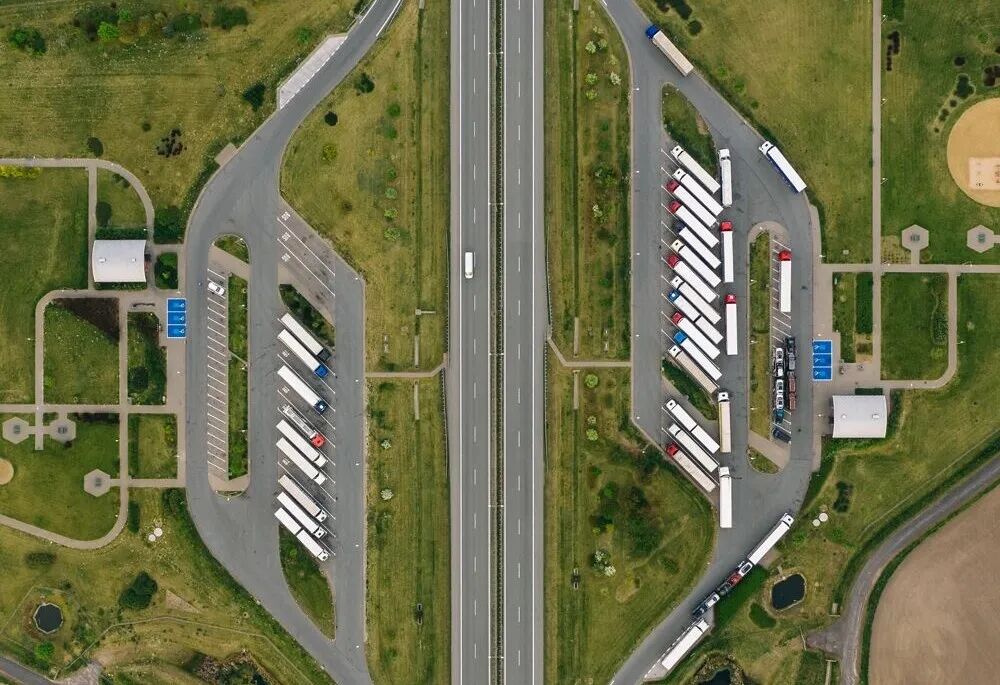
At the beginning of holidays, outbound traffic surges, causing charging stations to become heavily congested. Meanwhile, service areas on the opposite return route may have many idle electrical facilities, resulting in wasted power capacity.
To handle peak demand, service area operators often have to invest heavily in installing dual high-capacity transformers. However, this leads to high equipment investment and maintenance costs, while these assets remain underutilized during normal periods.
For service area operators, these electricity challenges are particularly difficult:
They aim to provide seamless services for travelers, but are constantly restricted by “tidal electricity demand,” idle equipment capacity, and unexpected power failures.
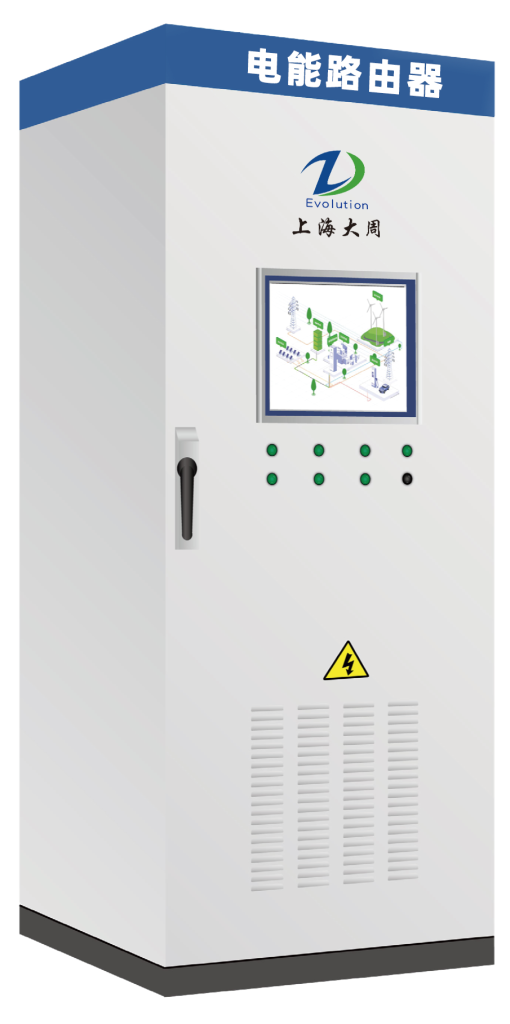
The solution lies in the feeder-level flexible interconnection device,Power Router from GCEVO, specifically designed to address service area power challenges.
Based on low-voltage flexible DC interconnection technology, it enables interconnection and mutual power support between two distribution transformer areas without major modifications to existing infrastructure, effectively solving these challenges.
▍Solving the Challenge of Tidal Electricity Demand
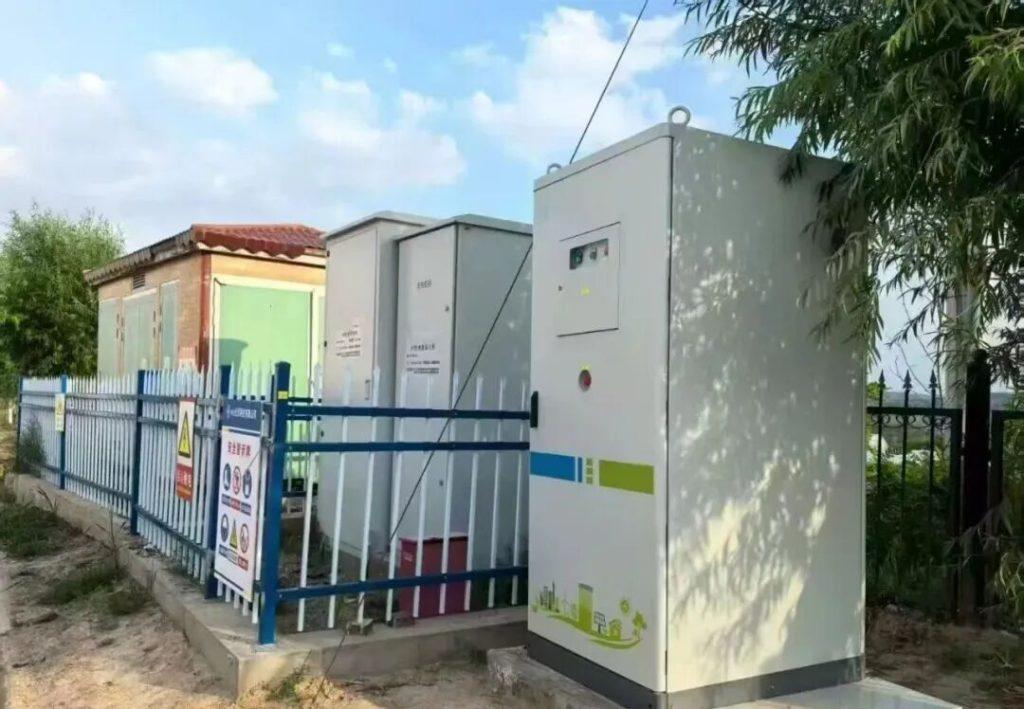
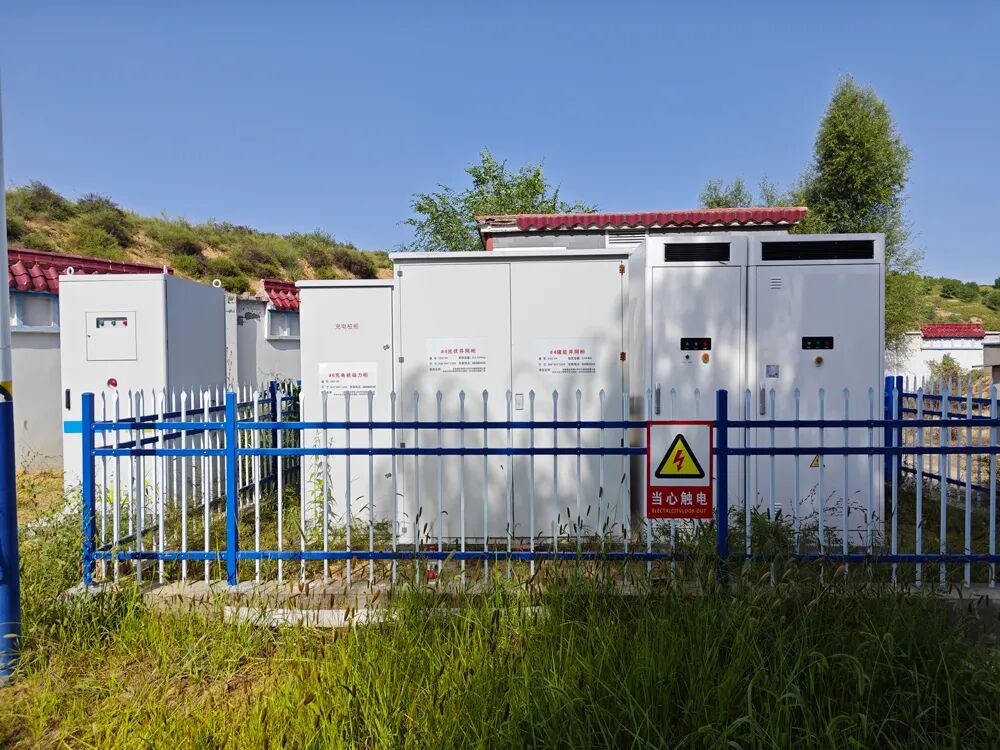
The electricity challenges faced by highway service areas are comprehensively addressed through a flexible interconnection outdoor cabinet system featuring advanced technology and precise configuration.
The system is built around low-voltage flexible DC interconnection technology.
Outdoor cabinets are installed near two separate distribution transformer areas and connected through DC power cables, creating an efficient “energy exchange bridge” between the two power supply zones.
The core multi-port Power Router system includes:
- Two 125 kW bidirectional AC/DC converters
The two transformer areas are connected through their respective converters to a common DC bus, forming a shared DC bus architecture, which provides the foundation for flexible power exchange.
The secondary control system includes:
- One feeder-level flexible interconnection coordination controller
- Real-time monitoring and system operation management
- Intelligent dispatch command execution
- Metering systems
- UPS modules
- Cable and auxiliary equipment
Together, these components ensure stable and reliable system operation.
Dynamic Capacity Sharing Between Distribution Areas
Designed specifically for the “tidal electricity demand” characteristics of highway service areas, the system enables:
- Real-time interconnection between distribution areas
- Dynamic sharing of available capacity
During holiday outbound peak periods:
- When electricity demand increases at departure-direction service areas,
- Available capacity from less-loaded return-direction service areas can be transferred through the system to support charging piles, air-conditioning systems, and other loads.
During return-trip peak periods:
- The direction of power support can be reversed, allowing the originally high-capacity outbound area to support the return-direction area.
Combined with reserved DC interfaces designed according to distribution area load characteristics, the system can integrate idle energy resources and increase resource utilization efficiency up to 99.99%.
Through dynamic power sharing between distribution areas, the system enables capacity expansion without adding new transformers.
It can also integrate renewable energy sources such as PV systems to achieve:
- Local renewable energy consumption
- Excess electricity export to the grid
- Additional green energy revenue opportunities
Enhanced Power Reliability
Even if one distribution area experiences a fault, the other area can provide support within seconds.
This eliminates the risk of travel disruption caused by power outages and significantly improves service area power reliability.
The solution represents a new form of terminal distribution network under the future-oriented new power system architecture.
▍Designed for Highway Service Areas: Immediate Benefits After Deployment
For highway service areas, this system is not only effective but also easy to operate.
Its key technical parameters are fully aligned with service area electricity requirements.
During normal operation:
- One distribution area can operate in bidirectional voltage regulation mode
- The other can operate in grid-connected power mode
The converter achieves:
- Voltage regulation accuracy: ±2% under constant voltage operation
- Current regulation accuracy: ±5% under constant current operation
Whether supplying:
- EV charging stations
- Restaurant air-conditioning systems
- Retail payment systems
the system ensures stable power supply without equipment interruptions caused by voltage fluctuations, creating a smoother experience for travelers.
Intelligent Automatic Dispatch During Peak Periods
During holiday “tidal demand” periods, operators no longer need to manually coordinate power distribution.
Through the human-machine interface:
- Operators set the target power level
- The interface displays the safe operating power range
- After confirmation, the system automatically executes power allocation
The system automatically transfers available capacity from lightly loaded areas to heavily loaded areas without manual intervention.
This reduces operational workload and eliminates the need for staff to continuously monitor electricity issues.
Furthermore:
- The converter can operate continuously for 10 minutes at 110% rated current
- It can operate for 1 minute at 120% rated current
Even under sudden traffic surges and unexpected electricity peaks, the system maintains stable operation and protects traveler experience.
▍Supporting Green and Efficient Highway Infrastructure
In highway service area applications, the flexible interconnection outdoor cabinet system helps:
- Reduce energy waste caused by tidal electricity demand
- Improve operational cost efficiency
- Enhance traveler service experience
- Integrate renewable energy resources such as PV systems
- Create additional green energy value
In the future, supported by low-voltage flexible DC interconnection technology, the system will continue helping more highway service areas overcome electricity challenges, ensuring reliable power for every journey and accelerating the transformation of terminal power networks toward a greener, more efficient future.
发表回复